
Employee scheduling programs transform chaotic workforce management into streamlined operations. These digital platforms automate shift assignments, track time-off requests, and ensure optimal staffing levels across your organization. For manufacturing, healthcare, and hospitality managers dealing with complex scheduling demands, the right employee scheduling programs eliminate double-booking conflicts, reduce labor costs, and improve employee satisfaction through transparent, accessible scheduling processes.

Understanding Employee Scheduling Software Solutions
Employee scheduling programs are digital platforms designed to automate the creation, management, and distribution of work schedules. Unlike traditional paper-based or spreadsheet methods, these systems integrate with payroll, track labor compliance, and provide real-time schedule updates accessible from any device.
Modern employee scheduling programs handle everything from basic shift assignments to complex requirements like skill-based scheduling, union rules, and multi-location coordination. They’re built to solve the fundamental challenge every manager faces: getting the right people in the right place at the right time while controlling labor costs.
The software typically includes features for schedule creation, employee self-service portals, time tracking, and reporting capabilities. Most platforms offer mobile apps that allow employees to view schedules, request time off, and pick up available shifts from their smartphones.
Why Traditional Scheduling Methods Fall Short
Manual scheduling creates numerous problems that employee scheduling programs solve:
- Time-consuming process: Managers spend hours each week creating schedules manually
- Communication gaps: Paper schedules and email updates lead to confusion and missed shifts
- Compliance risks: Tracking overtime, break requirements, and labor laws becomes nearly impossible
- Limited flexibility: Last-minute changes require extensive phone calls and manual updates
- Poor visibility: Employees can’t easily check schedules or request changes
Employee scheduling programs address these issues by centralizing all scheduling activities in one platform, providing instant communication channels, and automating compliance tracking.
Best Employee Scheduling Software Solutions
The employee scheduling programs market offers solutions for every business size and industry. Here are the leading platforms that consistently deliver results:
Enterprise-Level Solutions
Kronos workforce ready serves large organizations with complex scheduling needs. The platform handles multi-location scheduling, advanced forecasting, and integration with major HR systems. Best for companies with 500+ employees requiring sophisticated workforce analytics.
ADP Workforce Now combines scheduling with comprehensive HR management. The system excels at compliance tracking and offers robust reporting capabilities. Ideal for organizations already using ADP payroll services.
Mid-Market Platforms
When I Work provides intuitive scheduling with strong mobile functionality. The platform emphasizes ease of use while maintaining powerful features like shift trading and availability management. Perfect for retail, restaurant, and service businesses with 50-500 employees.
Deputy focuses on real-time communication and schedule optimization. The system includes advanced features like demand forecasting and labor cost controls. Well-suited for businesses with variable staffing needs.
Small Business Solutions
Homebase offers free basic scheduling with paid premium features. The platform includes time tracking, team messaging, and basic reporting. Excellent for small businesses just starting with digital scheduling.
Shiftboard specializes in complex scheduling scenarios with skills-based assignments and certification tracking. Ideal for healthcare facilities, security companies, and other industries requiring specific qualifications.
Key Features to Look For in Scheduling Programs
Effective employee scheduling programs share several essential capabilities that distinguish them from basic calendar tools. Understanding these features helps you select software that truly improves your scheduling process.
Schedule Creation and Management
The core scheduling engine should handle your specific requirements without forcing workarounds. Look for drag-and-drop interfaces that make schedule building intuitive, template systems for recurring schedules, and bulk editing capabilities for quick adjustments.
Advanced scheduling features include shift pattern recognition, automatic conflict detection, and schedule optimization based on labor budgets. The system should flag potential issues like double-bookings, overtime violations, or understaffing before you publish schedules.
Employee Self-Service Capabilities
Modern employee scheduling programs put scheduling power in employees’ hands through self-service portals. Employees should be able to view schedules, request time off, indicate availability preferences, and pick up open shifts without manager intervention.
The self-service functionality reduces administrative burden while improving employee satisfaction. Workers appreciate the transparency and control over their schedules, leading to better retention and engagement.
Communication and Notifications
Effective communication prevents scheduling conflicts and ensures everyone stays informed about changes. Look for systems that send automatic notifications about schedule updates, shift reminders, and available overtime opportunities.
Multi-channel communication through email, SMS, and push notifications ensures messages reach employees regardless of their preferred communication method. Some platforms include built-in messaging systems for team communication.

Compliance and Labor Law Management
Employee scheduling programs should automatically track compliance with labor laws, union agreements, and company policies. This includes overtime calculations, break requirements, and minimum rest periods between shifts.
The software should generate alerts when schedules violate regulations and provide reporting for labor compliance audits. This feature becomes especially critical for businesses operating across multiple jurisdictions with different labor laws.
Employee Scheduling Software Comparison
Comparison of Leading Employee Scheduling Programs
| Platform | Best For | Key Strength | Pricing Model |
|---|---|---|---|
| Kronos Workforce Ready | Large enterprises | Advanced analytics and forecasting | Quote-based |
| When I Work | Mid-size retail/service | User-friendly mobile experience | Per employee/month |
| Deputy | Variable staffing needs | Real-time optimization | Tiered pricing |
| Homebase | Small businesses | Free basic features | Freemium model |
| ADP Workforce Now | ADP payroll users | Seamless HR integration | Bundle pricing |
| Shiftboard | Skills-based scheduling | Certification tracking | Per user/month |
Each platform serves different organizational needs and complexity levels. Enterprise solutions like Kronos offer comprehensive workforce management but require significant implementation investment. Mid-market options like When I Work and Deputy balance functionality with ease of use. Small business platforms like Homebase prioritize affordability and simplicity.
The choice depends on your specific requirements: company size, industry regulations, integration needs, and budget constraints. Consider starting with a trial period to evaluate how well the software fits your actual scheduling workflows.
How to Implement Scheduling Software in Your Organization
Successful implementation of employee scheduling programs requires careful planning and systematic execution. The process involves more than just purchasing software—it requires change management, training, and ongoing optimization.
Phase 1: Assessment and Planning
Begin by documenting your current scheduling process, including time spent on schedule creation, common problems, and specific requirements. Identify key stakeholders who will use the system and gather their input on needed features.
Create a project timeline that includes software selection, data migration, training phases, and go-live dates. Plan for a gradual rollout rather than switching everything at once, which reduces risk and allows for adjustments based on early feedback.
Phase 2: Data Migration and Setup
Most employee scheduling programs require importing employee data, setting up roles and permissions, and configuring scheduling rules. Work with your IT team or the software vendor to ensure data accuracy during migration.
Configure the system to match your specific needs: shift patterns, overtime rules, break requirements, and approval workflows. Test these configurations thoroughly before launching to employees.
Phase 3: Training and Rollout
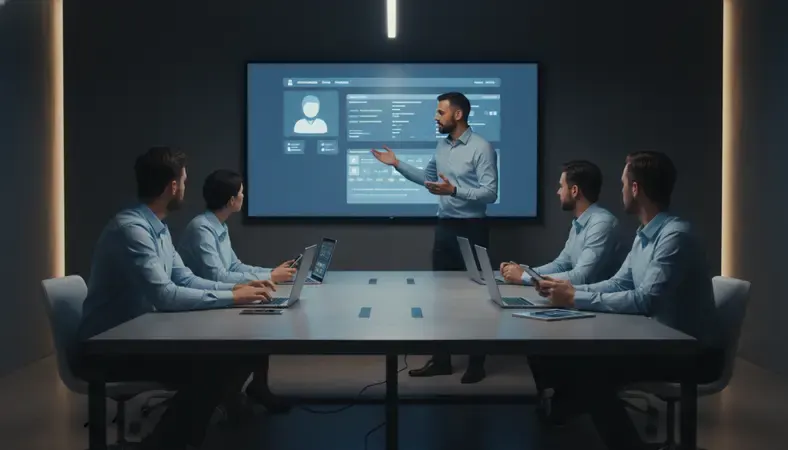
Develop training materials for both managers and employees. Managers need comprehensive training on schedule creation, reporting, and system administration. Employees need basic training on viewing schedules, requesting time off, and using mobile apps.
Consider a phased rollout by department or location. This approach allows you to refine processes and address issues before company-wide implementation. Provide ongoing support during the transition period to ensure adoption success.
Phase 4: Optimization and Refinement
Monitor system usage and gather feedback from users during the first few months. Look for opportunities to streamline workflows, adjust configurations, and add new features that improve efficiency.
Regular system optimization ensures you’re maximizing the value of your employee scheduling programs investment. This might include adding integrations, adjusting notification settings, or expanding self-service capabilities.
ROI and Cost-Benefit Analysis of Scheduling Tools
Employee scheduling programs deliver measurable returns through reduced administrative time, improved labor cost control, and decreased employee turnover. Understanding these benefits helps justify the investment and measure success.
Direct Cost Savings
The most immediate savings come from reduced time spent on scheduling activities. Managers typically save 3-5 hours per week on schedule creation and maintenance. For a manager earning $25 per hour, this represents $3,900-$6,500 in annual savings.
Automated compliance tracking prevents costly labor violations and reduces legal risks. The software helps avoid overtime penalties, ensures proper break scheduling, and maintains required staffing levels without manual monitoring.
Indirect Benefits and Productivity Gains
Employee scheduling programs improve workforce productivity through better schedule optimization and reduced scheduling conflicts. Proper staffing levels ensure adequate coverage without overstaffing, directly impacting labor cost percentages.
Improved employee satisfaction through transparent scheduling and self-service capabilities reduces turnover costs. The average cost to replace an hourly employee ranges from $1,500-$3,000, making retention improvements valuable.
Measuring Success Metrics
Track key performance indicators to measure your employee scheduling programs ROI:
- Time savings: Hours per week saved on scheduling activities
- Labor cost percentage: Reduction in labor costs as percentage of revenue
- Schedule adherence: Percentage of shifts covered without last-minute changes
- Employee satisfaction: Survey scores related to scheduling fairness and communication
- Turnover reduction: Decrease in voluntary terminations attributed to scheduling issues
Most organizations see positive ROI within 6-12 months of implementation, with benefits continuing to compound as usage increases and processes improve.
Integration with HR and Payroll Systems
Modern employee scheduling programs integrate seamlessly with existing HR and payroll systems, eliminating duplicate data entry and ensuring consistency across platforms. These integrations create a unified workforce management ecosystem.
Payroll System Integration
Direct integration with payroll systems automatically transfers worked hours, overtime calculations, and schedule data. This eliminates manual timesheet entry and reduces payroll processing errors.
Popular integrations include ADP, Paychex, QuickBooks, and other major payroll providers. The integration typically syncs data in real-time or through scheduled daily updates, ensuring payroll accuracy without additional administrative work.
HR Information System (HRIS) Connections
Employee scheduling programs connect with HRIS platforms to maintain consistent employee records, job classifications, and organizational structures. Changes made in either system automatically update across platforms.
These integrations support advanced features like skills-based scheduling, certification tracking, and performance management integration. The unified data provides comprehensive workforce analytics and reporting capabilities.
Time and Attendance Integration
Many employee scheduling programs include built-in time tracking or integrate with existing time clocks and attendance systems. This creates a complete picture of scheduled versus actual worked hours.
The integration helps identify patterns like chronic tardiness, frequent schedule deviations, and productivity trends. Managers can use this data to optimize future schedules and address performance issues proactively.
Top Scheduling Programs for Different Industry Needs
Different industries have unique scheduling requirements that influence software selection. Understanding industry-specific needs helps identify the most suitable employee scheduling programs for your organization.
Manufacturing Scheduling Requirements
Manufacturing environments require employee scheduling programs that handle shift rotations, equipment certifications, and safety compliance. The software must track which employees are qualified for specific machinery and ensure adequate coverage for critical operations.
Recommended Solutions: * Kronos Workforce Ready: Handles complex manufacturing requirements including union rules and safety certifications * Shiftboard: Excellent for skills-based scheduling and certification tracking * Deputy: Strong real-time communication for shift changes and emergency coverage
Manufacturing scheduling often involves 24/7 operations with multiple shifts, mandatory overtime rules, and strict safety requirements. The chosen platform should automate these complexities while maintaining flexibility for unexpected changes.
Healthcare Scheduling Challenges
Healthcare facilities face unique scheduling challenges including licensing requirements, patient-to-staff ratios, and regulatory compliance. Employee scheduling programs for healthcare must track certifications, manage on-call schedules, and ensure appropriate skill mix across all shifts.
Recommended Solutions: * API Healthcare: Purpose-built for healthcare with features like acuity-based scheduling * Kronos Healthcare Workforce Solutions: Comprehensive platform with healthcare-specific compliance tracking * When I Work: Good for smaller healthcare practices with simpler needs
Healthcare scheduling requires balancing patient care needs with staff preferences while maintaining regulatory compliance. The software should handle complex scenarios like floating between departments and managing different license types.
Hospitality Industry Needs
Hospitality businesses experience significant demand fluctuations requiring flexible employee scheduling programs that can quickly adjust staffing levels. The software must handle seasonal variations, event-driven scheduling, and high employee turnover.
Recommended Solutions: * Deputy: Excellent demand forecasting and real-time schedule optimization * When I Work: Strong mobile features for hospitality’s mobile workforce * Homebase: Cost-effective solution for smaller hospitality businesses
Hospitality scheduling involves managing diverse roles from front desk to housekeeping, each with different skill requirements and availability patterns. The platform should facilitate cross-training opportunities and flexible shift assignments.

Employee Scheduling Programs FAQs
How much do employee scheduling programs typically cost?
Employee scheduling programs pricing varies significantly based on features and company size. Basic platforms like Homebase offer free tiers for small businesses, while mid-market solutions like When I Work cost $2-4 per employee per month. Enterprise platforms like Kronos require custom quotes but typically range from $5-15 per employee monthly.
Consider total cost of ownership including implementation, training, and ongoing support. Many providers offer tiered pricing with basic scheduling features at lower costs and advanced analytics, forecasting, and integrations at higher price points.
Can employee scheduling programs handle complex labor laws and union requirements?
Yes, advanced employee scheduling programs include comprehensive compliance management for labor laws, union agreements, and industry regulations. These systems automatically track overtime rules, break requirements, minimum rest periods, and other legal requirements.
The software generates alerts when schedules violate regulations and provides documentation for compliance audits. However, configuration complexity varies by platform—ensure your chosen solution specifically supports your industry’s requirements and geographic labor laws.
How long does it take to implement new scheduling software?
Implementation timelines for employee scheduling programs typically range from 2-12 weeks depending on system complexity and organization size. Basic platforms like Homebase can be operational within days, while enterprise solutions like Kronos may require several months for full implementation.
Key factors affecting timeline include data migration complexity, integration requirements, customization needs, and training scope. Plan for a gradual rollout rather than immediate full deployment to minimize disruption and allow for process refinement.
Do employees need smartphones to use scheduling software effectively?
While smartphones enhance the experience with employee scheduling programs, they’re not always required. Most platforms offer web-based access through computers and tablets, though mobile apps provide the best user experience for viewing schedules and requesting changes.
However, mobile access significantly improves adoption rates and employee satisfaction. Consider providing basic smartphones or tablets for employees who don’t have personal devices, especially in industries where mobile communication is critical for schedule management.
How do employee scheduling programs handle last-minute schedule changes?
Modern employee scheduling programs excel at managing last-minute changes through automated communication and shift-filling features. When changes occur, the system immediately notifies affected employees and can automatically offer open shifts to qualified staff based on availability and preferences.
Many platforms include shift-swapping features that allow employees to trade shifts with manager approval, reducing the administrative burden of schedule changes. Real-time notifications ensure everyone stays informed about updates, minimizing confusion and no-shows.
What happens to our data if we switch scheduling software providers?
Reputable employee scheduling programs providers offer data export capabilities and migration assistance when switching platforms. Most systems allow you to export employee information, historical schedules, and reporting data in standard formats like CSV or Excel.
Before selecting a platform, verify their data portability policies and available export formats. Some providers offer migration services to help transfer data to new systems, though this may involve additional costs. Always maintain backup copies of critical scheduling data regardless of your chosen platform.
Wrapping Up
Employee scheduling programs eliminate the chaos of manual workforce management while improving both operational efficiency and employee satisfaction. The right platform automates compliance tracking, reduces administrative time, and provides the flexibility modern workforces demand. Whether you’re managing a small retail team or coordinating complex manufacturing shifts, these tools deliver measurable ROI through reduced labor costs and improved productivity.
Transform your workforce management with HubEngage — streamline employee communications, automate scheduling processes, and create better employee experiences across your entire organization. Ready to get started? Visit HubEngage to learn more.