An employee recognition program is a structured system that acknowledges and rewards employees for their contributions, achievements, and behaviors that align with company values. These programs boost morale, increase retention, and drive performance by making employees feel valued for their work. Whether you're in manufacturing, healthcare, or hospitality, a well-designed recognition program transforms workplace culture and delivers measurable business results.

If you're considering implementing an employee recognition program or improving your current approach, this guide explains exactly what these programs are, how they work, and why they matter for your organization's success.
What Is an Employee Recognition Program?
An employee recognition program is a formal initiative that systematically identifies and celebrates employee contributions. It goes beyond occasional "thank you" messages to create consistent, meaningful acknowledgment of good work.
These programs typically include multiple recognition methods—from peer-to-peer appreciation to manager nominations to milestone celebrations. The key is structure and consistency rather than random acts of appreciation.
Key Insight: Effective recognition programs aren't just about rewards—they're about creating a culture where good work is consistently noticed and valued.
Recognition programs work because they tap into fundamental human psychology. People need to feel their work matters and that others notice their efforts. When done right, recognition programs create positive reinforcement loops that encourage continued high performance.
Benefits of Employee Recognition Programs
Recognition programs deliver measurable benefits across multiple business metrics. Companies with effective recognition programs see significant improvements in key areas:
Employee Engagement and Retention * Increased engagement: Recognized employees are 2.7 times more likely to be highly engaged at work * Reduced turnover: Organizations with recognition programs experience 31% lower voluntary turnover * Higher job satisfaction: 69% of employees say they would work harder if their efforts were better recognized
Business performance * Productivity gains: Teams with regular recognition show 14% higher productivity than those without * Customer satisfaction: Engaged, recognized employees deliver better customer experiences * Revenue impact: Companies with engaged workforces see 23% higher profitability
Workplace culture * Improved morale: Recognition creates positive workplace atmosphere and team cohesion * Enhanced communication: Programs encourage more frequent positive interactions between colleagues * Values reinforcement: Recognition tied to company values strengthens organizational culture
Types of Recognition Programs
Different types of employee recognition programs serve various purposes and work better in different situations. Here's a breakdown of the most effective approaches:
Comparison of Recognition Program Types
| Program Type | When It's Active | Scope of Impact | Common Use Case |
|---|---|---|---|
| Peer-to-Peer Recognition | Ongoing, employee-initiated | Individual to individual | Daily appreciation, teamwork |
| Manager Recognition | Regular, performance-based | Manager to direct reports | Goal achievement, project completion |
| Milestone Recognition | Triggered by events | Individual achievements | Work anniversaries, certifications |
| Team Recognition | Project or period-based | Group achievements | Department goals, major projects |
| Company-Wide Recognition | Quarterly or annual | Organization-wide visibility | Top performers, culture champions |
Peer-to-Peer Recognition Programs These allow employees to recognize each other directly. They're particularly effective in collaborative environments where teamwork drives results. Manufacturing teams often use peer recognition to acknowledge safety behaviors or process improvements.
Manager-Led Recognition Programs Supervisors and managers formally recognize direct reports for performance, achievements, or demonstrating company values. This works well in healthcare settings where clinical excellence and patient care need consistent reinforcement.
Milestone and Service Recognition These celebrate work anniversaries, certifications, or career achievements. Hospitality organizations often combine service recognition with career development opportunities.
Team-Based Recognition Entire departments or project teams receive recognition for collective achievements. This builds group cohesion and encourages collaboration toward shared goals.
How to Design an Effective Recognition Program
Creating a recognition program that actually works requires careful planning and clear objectives. Here's the step-by-step process:
- Define Program Objectives: Identify what you want to achieve—improved retention, higher engagement, better performance, or stronger culture alignment
- Establish Recognition Criteria: Create clear guidelines for what behaviors and achievements deserve recognition
- Choose Recognition Methods: Select a mix of monetary and non-monetary rewards that resonate with your workforce
- Set Program Budget: Allocate resources for rewards, technology platforms, and program administration
- Create Communication Plan: Develop messaging that explains the program, builds excitement, and encourages participation
- Train Managers and Leaders: Ensure supervisors understand how to effectively recognize employees and use program tools
- Launch and Monitor: Roll out the program with clear expectations and track participation and results
Recognition criteria guidelines Your criteria should be specific, measurable, and tied to business objectives. Instead of "good work," define recognition triggers like "exceeding safety targets," "receiving positive patient feedback," or "mentoring new team members."
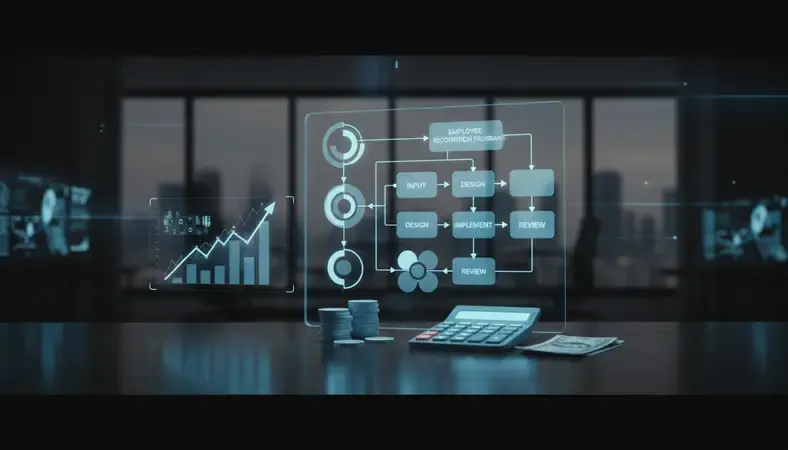
Budget considerations Most successful programs allocate 1-2% of total payroll to recognition activities. This includes both reward costs and program administration. Non-monetary recognition often delivers the highest ROI.
Employee Recognition Program Best Practices
Following proven best practices significantly increases your program's effectiveness and employee participation:
Make Recognition Timely and Specific * Recognize achievements within 24-48 hours when possible * Include specific details about what the employee did and why it mattered * Connect recognition to company values or business objectives
Ensure Fairness and Consistency * Apply recognition criteria equally across all employees and departments * Provide multiple ways for employees to be recognized * Avoid favoritism by using clear, objective standards
Personalize recognition approaches * Learn what types of recognition each employee values most * Offer both public and private recognition options * Consider generational and cultural differences in recognition preferences
Encourage peer participation * Train employees on how to give effective recognition * Make peer nomination processes simple and accessible * Celebrate employees who actively recognize others
Track and Measure Results * Monitor participation rates across departments and demographics * Survey employees about program effectiveness and satisfaction * Measure impact on engagement, retention, and performance metrics
Pro Tip: The most effective recognition programs combine frequent, small acknowledgments with occasional larger celebrations. Daily "thank you" moments matter as much as annual awards.
Recognition Program Metrics and ROI
Measuring your employee recognition program's success requires tracking both participation metrics and business impact indicators:
Participation metrics * Recognition frequency per employee per month * Percentage of employees giving and receiving recognition * Manager participation rates in formal recognition activities * Program platform usage and engagement statistics
Business impact metrics * Employee engagement survey scores * Voluntary turnover rates * Internal promotion rates * Customer satisfaction scores * Productivity measures specific to your industry
ROI Calculation Framework Calculate ROI by comparing program costs against measurable benefits like reduced turnover costs, decreased recruitment expenses, and productivity improvements. Most organizations see 3:1 to 6:1 ROI on well-executed recognition programs.

Benchmark data High-performing recognition programs typically achieve: * 85%+ employee participation in giving or receiving recognition * Average of 2-3 recognition instances per employee per month * Manager participation rate above 90% * Year-over-year improvement in engagement scores
Employee Recognition Software Solutions
Modern recognition programs rely on technology platforms to scale effectively and provide meaningful analytics. Here's what to look for in recognition software:
Core platform features * Easy-to-use interface for giving and receiving recognition * Integration with existing HR systems and communication tools * Mobile accessibility for frontline and remote workers * Customizable recognition categories and reward options * Robust reporting and analytics capabilities
Advanced functionality * Social recognition feeds that showcase achievements company-wide * Points-based reward systems with redemption catalogs * Automated milestone recognition for anniversaries and achievements * Manager dashboards for tracking team recognition activity * API integrations with performance management systems
Implementation considerations Choose platforms that match your organization's size, technical capabilities, and budget. Many successful programs start with simple solutions and add complexity as adoption grows.
For manufacturing environments, look for platforms that work well on mobile devices and don't require constant internet connectivity. Healthcare organizations need systems that integrate with existing clinical workflows. Hospitality businesses benefit from platforms that support multiple locations and shift-based scheduling.
Common Questions About Employee Recognition Programs
How often should employees be recognized?
Recognition should happen frequently—ideally, every employee should receive some form of recognition at least monthly. However, quality matters more than quantity. Meaningful recognition tied to specific achievements or behaviors has more impact than generic appreciation. The best programs combine frequent informal recognition with periodic formal celebrations.
What's the difference between recognition and rewards?
Recognition is acknowledgment of good work or behavior, while rewards are tangible benefits given alongside recognition. Recognition can be purely verbal or written appreciation, while rewards include monetary bonuses, gift cards, extra time off, or other valuable benefits. Effective programs use both, but recognition should always come first.
How do you handle recognition in remote or hybrid work environments?
Remote recognition requires more intentional effort and digital tools. Use video calls for public recognition, create virtual recognition ceremonies, and leverage collaboration platforms for peer-to-peer appreciation. The key is making remote employees feel as visible and valued as office-based team members. Regular one-on-one check-ins help managers identify recognition opportunities.
Can recognition programs work for hourly or frontline employees?
Absolutely. Frontline workers often receive less recognition than office employees, making programs particularly valuable for these teams. Focus on recognizing safety behaviors, customer service excellence, attendance, and peer support. Use mobile-friendly platforms and ensure recognition doesn't require lengthy administrative processes that disrupt work flow.
How do you measure if a recognition program is actually working?
Track both leading indicators (participation rates, recognition frequency) and lagging indicators (engagement scores, turnover rates, productivity metrics). Conduct regular surveys asking employees about program effectiveness and satisfaction. The most important measure is whether recognized employees feel genuinely appreciated and whether the program drives behaviors you want to see more of.
What budget should you allocate for an employee recognition program?
Most successful programs allocate 1-2% of total payroll to recognition activities, including both rewards and program administration costs. However, effective recognition doesn't require large budgets—many impactful recognition methods cost little or nothing. Start with your available budget and focus on consistency and meaningfulness rather than expensive rewards.

Final Thoughts
An employee recognition program transforms workplace culture by systematically acknowledging the contributions that drive your business forward. When designed thoughtfully and implemented consistently, these programs deliver measurable improvements in engagement, retention, and performance across manufacturing, healthcare, hospitality, and every other industry.
Streamline your employee recognition efforts at HubEngage — unify communications, engagement, and workforce operations to create meaningful recognition experiences that connect your entire team. Ready to get started? Visit HubEngage to learn more.