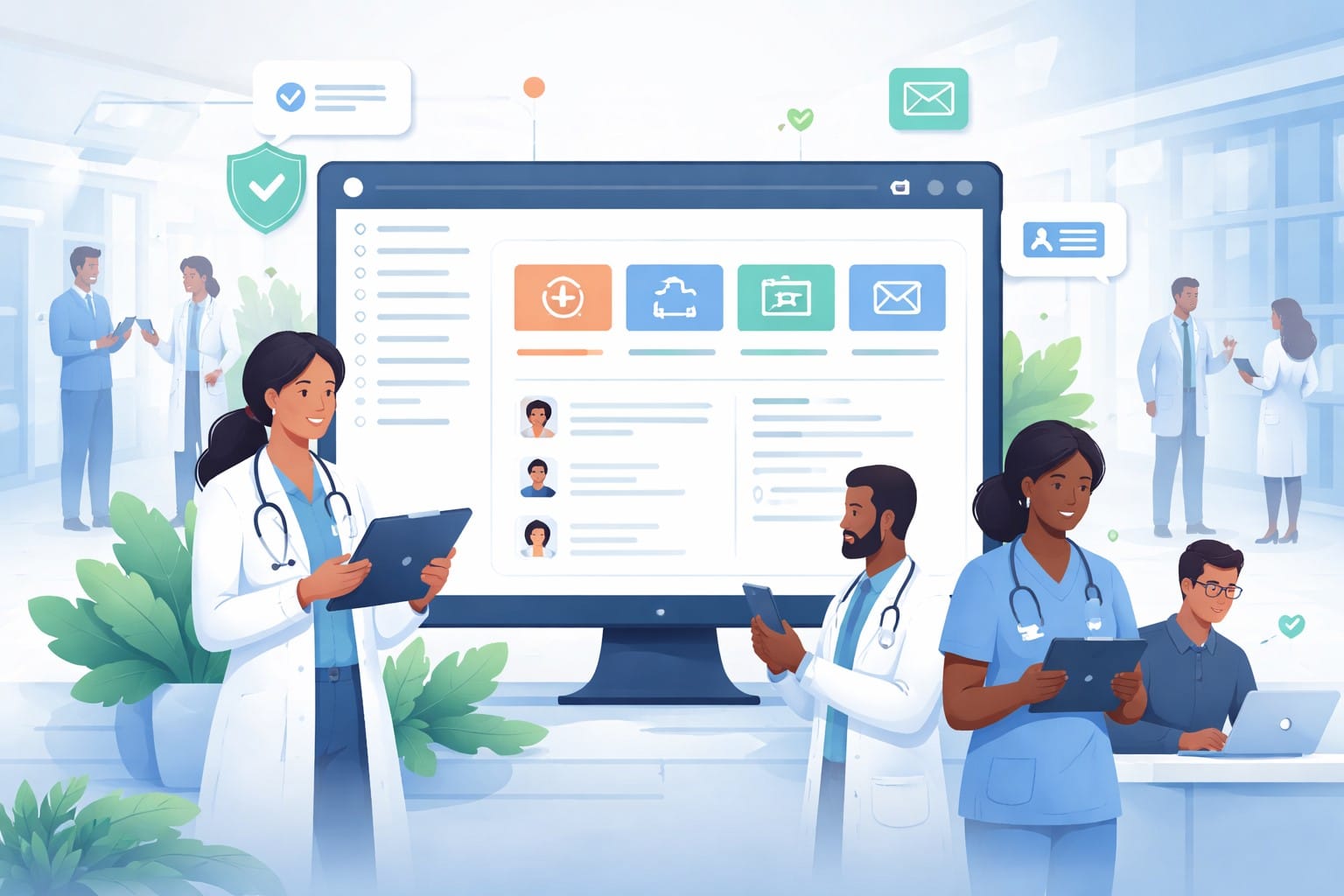
Healthcare organizations operate in fast‑paced, high‑stakes environments where communication, compliance, and coordination are critical. An intranet healthcare platform helps hospitals, clinics, and healthcare networks streamline internal communication, centralize knowledge, and support better patient care.
Many healthcare organizations are turning to modern digital workplaces and solutions like an Employee Intranet to connect staff, simplify operations, and keep everyone aligned.
In this guide, we’ll explore what an intranet in healthcare is, why it matters, key benefits, real examples, and how healthcare organizations can implement one successfully.
What Is a Healthcare Intranet?
A healthcare intranet is a secure internal digital platform used by hospitals, clinics, and healthcare systems to share information, collaborate, and manage workflows among employees.
Unlike public websites, intranet systems are private networks designed specifically for internal use. They give doctors, nurses, administrative staff, and leadership a centralized hub for communication, resources, and operational tools. A modern intranet in healthcare typically includes:
|
Feature |
Role |
| Internal communication tools | Share announcements, alerts, and updates so healthcare staff stay informed and aligned. |
| Staff directories | Help employees quickly find colleagues, departments, and contact information across the organization. |
| Knowledge management systems | Store guidelines, training materials, and resources in a centralized searchable knowledge hub. |
| Compliance and policy documentation | Provide easy access to policies, regulatory documents, and clinical procedures for staff. |
| Workflow automation | Automate approvals, onboarding tasks, incident reporting, and routine administrative processes. |
| Integration with healthcare systems | Connect with HR systems, scheduling tools, and electronic health record platforms. |
By bringing information and tools into one place, healthcare intranet platforms reduce information silos and make it easier for staff to access what they need quickly.
Why Healthcare Organizations need an Intranet?
Healthcare organizations face unique operational challenges compared to most industries. Teams work across departments, shifts, and facilities while handling sensitive data and strict compliance requirements.
Without a centralized communication platform, important information can become fragmented across emails, spreadsheets, messaging apps, and disconnected systems. This is where intranet healthcare platforms play a crucial role.
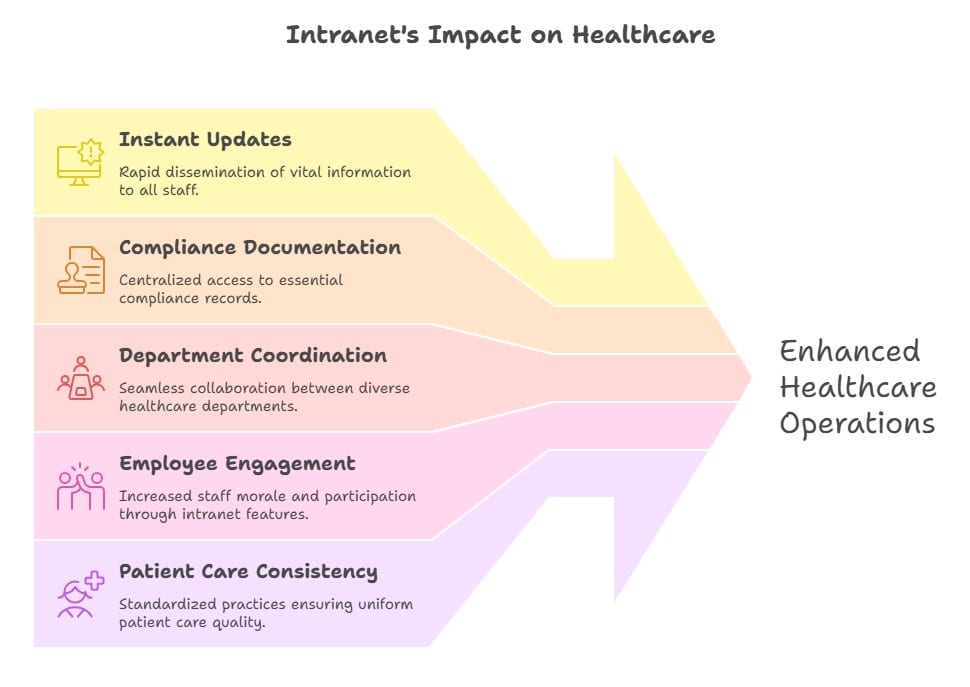
An intranet enables organizations to share critical updates instantly and maintain compliance documentation. It also helps coordinate across departments and improve employee engagement thereby supporting continuous patient care practices.
Many organizations adopt enterprise solutions explained in comprehensive resources like this guide to Intranet Software to build a connected digital workplace.
Why communication matters more than ever in healthcare?
Communication breakdowns are one of the biggest risks in healthcare environments. As per research by Springer shows positive results while using health information technology to give a better quality of care.
Healthcare professionals rely on accurate, timely information to make critical decisions. A centralized intranet in healthcare ensures staff always access the latest protocols, announcements, and operational updates.
As healthcare systems grow larger and more distributed, organizations increasingly depend on a single digital hub to ensure consistent communication and information access.
Core Features of a Healthcare Intranet
A successful healthcare intranet must support both operational efficiency and employee collaboration. Key features typically include:
1. Secure Communication Channels
Healthcare teams need secure ways to communicate updates, alerts, and announcements. Intranet platforms support news feeds, alerts, messaging, and collaboration spaces.
2. Document and Policy Management
Hospitals manage hundreds of compliance documents, clinical guidelines, and policies. An intranet allows organizations to store and manage these documents in one centralized repository.
3. Staff Directory
A searchable staff directory helps employees quickly locate colleagues across departments, improving collaboration and efficiency.
4. Mobile Accessibility
Many healthcare employees do not work at desks. Mobile intranet access allows nurses, clinicians, and field staff to stay connected wherever they work.
5. Workflow Automation
Digital workflows help automate tasks like onboarding, training, incident reporting, and compliance approvals.
6. Integration With Healthcare Systems
Modern intranet healthcare solutions integrate with HR systems, scheduling platforms, and electronic health record systems.
Key Benefits of Intranet in Healthcare
Implementing an intranet in healthcare organizations offers several measurable benefits.
Improved Internal Communication
An intranet centralizes announcements, alerts, and updates so healthcare staff consistently access accurate, timely information.
Better Knowledge Management
Hospitals produce large volumes of documentation. A healthcare intranet provides a structured knowledge base where staff can easily search and access policies and procedures.
Increased Employee Engagement
Healthcare employees often feel disconnected due to shift work and distributed teams. Intranet platforms help build stronger workplace culture through recognition, communication, and collaboration tools.
Stronger Compliance and Governance
Healthcare organizations must comply with strict regulatory standards. A healthcare intranet helps ensure policies and procedures are easily accessible and consistently followed.
Enhanced Operational Efficiency
By reducing manual processes and improving access to information, intranet healthcare platforms allow teams to work more efficiently.
Healthcare Intranet Case Studies
Healthcare organizations around the world have adopted intranet platforms to improve operations and employee engagement. Below are some real uses of intranet software in healthcare industry:
- Large Healthcare Network: Used Modern Intranet to centralize internal communication, ensuring staff across multiple facilities receive consistent updates and operational guidance.
- Regional Hospital System: Implemented Employee intranet to streamline employee communication, distribute important announcements, and keep frontline healthcare workers informed in real time.
- Healthcare Services Organization: Deployed Intranet Platform to improve employee engagement, share training resources, and support compliance communication across distributed clinical teams.
These initiatives demonstrate how an intranet in healthcare can improve both operational efficiency and employee collaboration.
Healthcare Intranet Examples
Looking at healthcare intranet examples can help organizations understand how these platforms work in real environments.
Hospital Network Intranet
A multi‑location hospital system can use an intranet to connect physicians, nurses, and administrators across facilities. Mobile and tablet access allows frontline healthcare staff to receive updates, access policies, and communicate instantly without needing a desktop workstation.
Clinic Group Intranet
A network of outpatient clinics can use an intranet to manage schedules, training materials, internal announcements, and operational documentation. Mobile intranet access helps ensure that caregivers, technicians, and administrative teams stay informed throughout busy shifts.
Research and Academic Medical Centers
Academic healthcare institutions often rely on intranet platforms to support research collaboration, knowledge sharing, and internal communication between departments. Centralized information hubs make it easier to distribute guidelines, research updates, and institutional resources.
These healthcare intranet examples show how modern intranet platforms improve communication, accessibility, and knowledge sharing across healthcare organizations while ensuring frontline workers remain connected.
Why HubEngage is the right intranet partner for healthcare?
Many organizations require intranet platforms that support secure communication, mobile accessibility, and enterprise‑grade scalability.
HubEngage provides a modern intranet platform designed to help these companies to improve communication across distributed teams by giving mobile‑first employee experiences. With centralized resources and knowledge hubs it can support engagement and recognition programs.
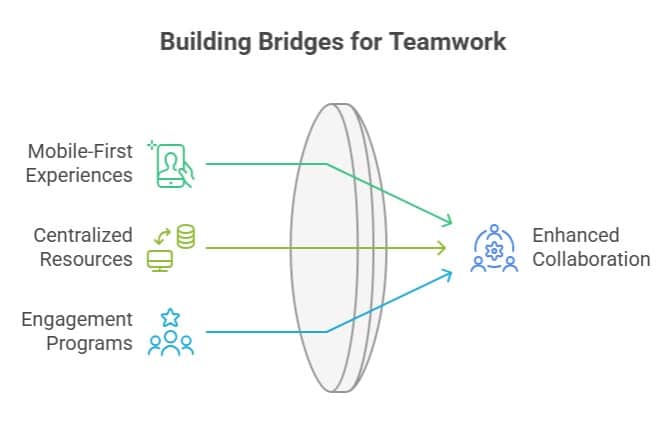
By combining communication, engagement, and operational tools into a single platform, HubEngage helps healthcare organizations build a connected digital workplace.
Steps to Implement an Intranet in Healthcare
Implementing such type of technology requires thoughtful planning and cross‑department collaboration.
Step 1: Identify Organizational Needs
Assess communication gaps, workflow inefficiencies, departmental challenges and information silos to understand intranet requirements clearly.
Step 2: Define Key Use Cases
Identify intranet use cases including communication, knowledge sharing, training delivery, collaboration and employee support needs.
Step 3: Select the Right Platform
Select a secure scalable intranet platform supporting healthcare compliance, integrations, mobile access and organizational growth.
Step 4: Plan Governance and Content Strategy
Establish governance policies defining content ownership, publishing standards, updates and long‑term intranet content management processes.
Step 5: Train Employees and Encourage Adoption
Provide employee training, leadership advocacy and continuous engagement initiatives to encourage long‑term intranet adoption in the company.
Conclusion
Healthcare organizations operate in environments where communication and coordination directly impact patient outcomes.
A modern intranet healthcare platform provides a centralized hub that connects employees, improves information access, and supports compliance and operational efficiency.
As these systems continue to expand and digital transformation accelerates, intranet solutions will play an increasingly important role in enabling better collaboration and patient care.
Organizations looking to modernize internal communication can explore how HubEngage’s intranet solution supports your team and request a demo to see how it works in practice.
FAQs on Healthcare Intranet
What is an intranet in healthcare?
A private internal network that enables hospital staff, clinicians, and administrators to communicate, share information, and manage resources within a secure digital platform.
How does a healthcare intranet improve patient care?
By improving communication, providing quick access to clinical guidelines, and ensuring staff have the latest information, these platforms help healthcare professionals deliver more consistent and informed patient care.
Is a healthcare intranet secure and compliant?
Yes, modern intranet platforms has many enterprise security features and can support compliance requirements such as HIPAA and other healthcare regulations.
Can a healthcare intranet integrate with EHR systems?
Many intranet solutions for healthcare integrate with existing systems including HR platforms, scheduling tools, and electronic health record systems.
How long does implementation take?
Implementation timelines vary depending on organizational size and complexity, but many softwares can be deployed within several weeks to a few months.
What features are essential for hospitals and clinics?
Key features include secure communication, document management, mobile access, staff directories, integrations, and workflow automation.
How much does a healthcare intranet solution cost?
Costs vary based on organization size, features, and customization requirements. Most modern intranet platforms offer scalable pricing models for healthcare organizations.