Welcome to TOE with HubEngage, your Week 20, 2026 edition of inspiration to Turn On Engagement for Employees. If workplace communication still feels like an afterthought, this edition might just shift the way we think about everyday employee experiences. Because while big transformations sound exciting, more often than not, meaningful change begins with the smaller systems we interact with every single day.
And this week, one topic stood out clearly — Smart Workforce Scheduling.
Because honestly, how often have we seen teams lose time simply because schedules were confusing, last-minute changes became routine, or managers spent hours trying to fill gaps? It happens more than we realize. Yet, at the same time, many organizations are quietly changing this experience for the better.
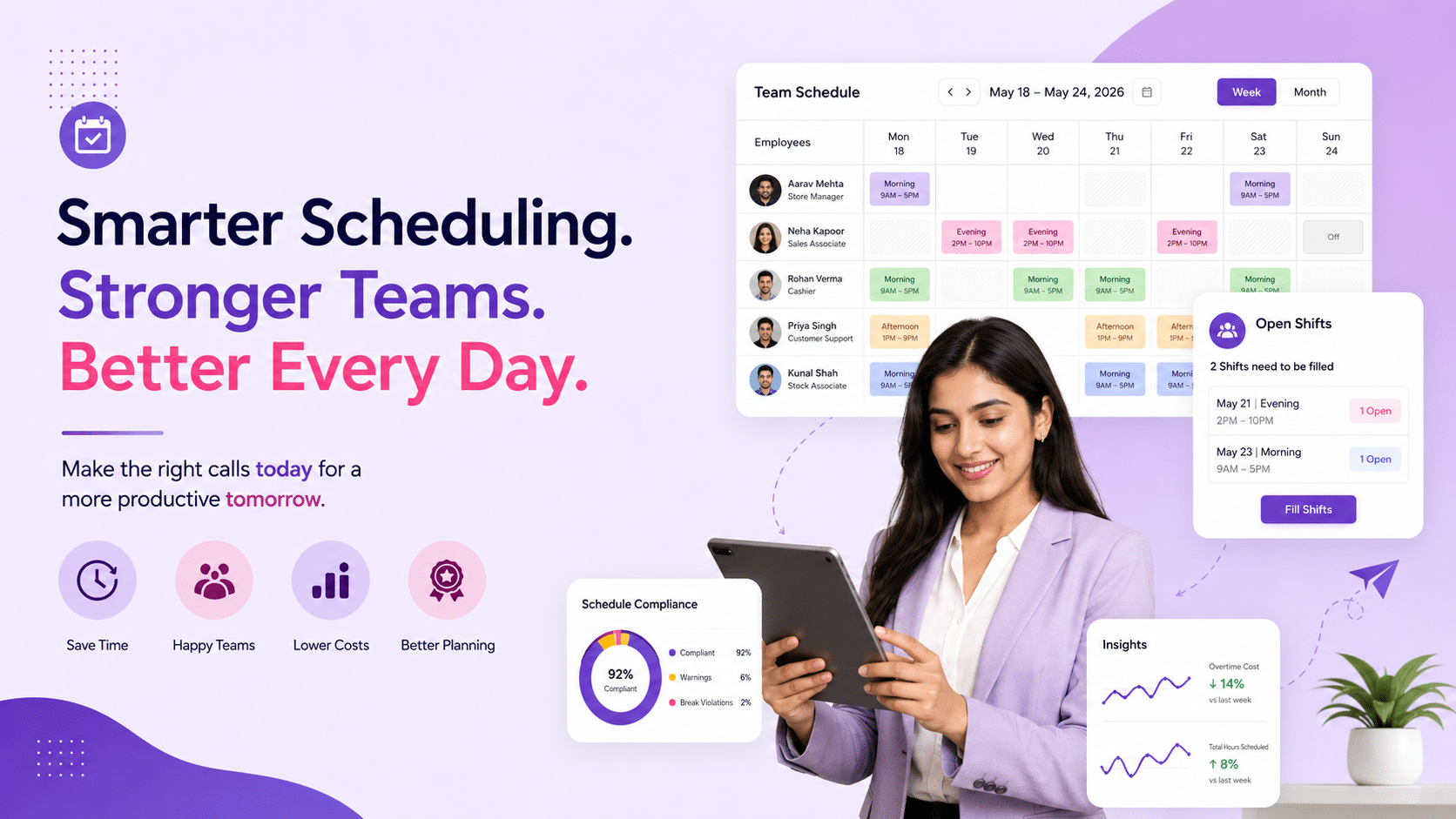
How Smart Scheduling Saves You Hours Every Week
When we think about employee experience, scheduling may not always be the first thing that comes to mind. However, it quietly influences everything — from productivity and morale to employee trust and daily operations.
This week’s insights around Smart Workforce Scheduling reminded us of something important: saving time is not only about working faster. Instead, it is about working smarter.
Retail and frontline teams, especially, deal with shifting demands every day. Consequently, manual scheduling often turns into a time-consuming process full of back-and-forth messages, missed shifts, staffing gaps, and unnecessary stress. Managers spend valuable hours adjusting rosters, while employees feel frustrated when schedules constantly change.
However, smarter scheduling tools are helping teams move away from reactive planning.
Instead of spending hours fixing conflicts, organizations are increasingly using systems that help managers predict staffing needs, improve shift visibility, and create schedules with more confidence. As a result, teams spend less time managing chaos and more time focusing on meaningful work.
Yet scheduling alone is not the bigger story here.
Because when employees know their shifts are fair, transparent, and predictable, trust naturally grows. And trust, as we often discuss, shapes how people feel about the workplace more than we sometimes acknowledge.
Similarly, communication also plays a huge role.
A well-planned shift means little if updates get buried in emails nobody notices. That is why clear internal communication matters just as much. Whether it is schedule updates, company announcements, or quick reminders, employees respond better when information feels relevant, timely, and easy to act on.
Meanwhile, another noticeable shift is happening quietly in the background — AI is becoming part of daily work. Not in a dramatic “future of work” way, but in practical, everyday moments. Teams are increasingly using it to simplify repetitive tasks, improve planning, and support faster decisions.
And interestingly, all these changes connect back to one thing: helping people work better without making work feel harder.
That is also where Smart Workforce Scheduling becomes bigger than just shift planning. It becomes part of creating smoother employee experiences, stronger communication habits, and workplaces that feel more organized instead of overwhelming.
At HubEngage, we often believe the best workplace changes happen when systems feel easier for employees, not more complicated. Because when teams spend less time chasing updates and fixing avoidable issues, they naturally have more time for better collaboration, stronger engagement, and meaningful work.
What’s Worth Your Attention This Week
Here is everything worth your attention from the world of work this week 👉 Every story below brings practical ideas that can help improve employee experience, communication, and workplace decisions.
✨ Retail Employee Scheduling Software Tools For Better Shift Planning
Shift planning often looks simple until schedules start changing last minute, managers struggle to fill gaps, and employee frustration begins showing up quietly. This piece explores what actually matters while choosing employee scheduling software — from flexibility and visibility to reducing manual effort. More importantly, it highlights how smarter scheduling can save hours every week while improving consistency for teams.
Worth exploring if smoother shift planning is something your teams are actively working
toward →
🔐 Building Employee Trust Through Smarter Data Practices
Employee trust is built in everyday experiences — and data handling is becoming one of those experiences. This article looks at how organizations can strengthen confidence by being more transparent, responsible, and thoughtful with employee information. Because when employees feel their information is handled carefully, workplace trust naturally becomes stronger.
A thoughtful read on why trust is increasingly becoming an HR priority →
🤝 Stronger Teams Start With Better Daily Connections
Culture is rarely built during annual events — it grows through everyday conversations. This story highlights how small interactions, regular communication, and simple moments of recognition can shape how connected employees feel at work. Sometimes, stronger collaboration starts with making daily communication feel more human.
Read this if building stronger team connection is high on your workplace agenda →
📩 Internal Communication Email Templates & Examples For Every Situation
Internal emails are often ignored not because employees do not care — but because messaging feels easy to overlook. This quick read shares practical ways to make communication clearer, more engaging, and easier to act on. A few small tweaks in wording and structure can make a noticeable difference in employee attention.
A useful guide if internal communication feels harder than it should →
💬 When Engagement Slips What Leaders Should Notice
Employee disengagement rarely happens overnight. More often, it starts with quieter signals — lower participation, delayed responses, or reduced enthusiasm. This piece shares what leaders should notice early and how meaningful conversations can help teams reconnect before challenges become bigger.
One of those reads that helps you notice what teams may not always say out loud →
🤖 AI Is Becoming Everyone’s Everyday Work Tool
AI is no longer limited to one department or technical teams. Employees across functions are increasingly using it to simplify repetitive work, improve speed, and support better decisions. This article gives a grounded perspective on how workplaces are moving from experimentation to practical AI adoption.
Worth reading if you are thinking about how AI fits into everyday work →
📈 Job Goals Matter More Than Titles Today
Employees today increasingly value clarity around impact more than traditional role labels. This story explores why outcome-based work is shaping expectations and how clearer goals can create stronger alignment, accountability, and flexibility within teams.
An insightful perspective on how work expectations are evolving →
Key Takeaway From This Week
The smartest workplace improvements are not always the loudest ones. Sometimes, they begin with better schedules, clearer communication, stronger trust, and systems that simply help work flow better.
Because when employees spend less time navigating confusion, they naturally spend more time doing meaningful work.
And that is exactly the kind of workplace shift worth paying attention to.