Work is changing quickly. However, what is even more interesting is how teams are changing with it.
Today, success is not only about working harder. Instead, it is about working smarter, staying connected, and making everyday processes feel easier for everyone involved. From better time tracking to stronger employee recognition, organizations are rethinking how productivity truly works in modern workplaces.
When we look at current workplace productivity trends, one thing becomes very clear: teams perform better when systems support people, not pressure them.
At the same time, businesses are realizing that productivity is no longer just about output. It is also about clarity, engagement, planning, flexibility, and employee experience. Because of this, many organizations are shifting their focus toward smarter workplace practices that help people stay aligned while reducing everyday friction.
In fact, workplace productivity trends are showing us that small improvements often create the biggest long-term impact. Better communication, easier scheduling, meaningful recognition, and smarter training are gradually becoming the foundation of stronger teams.
So, what exactly are organizations doing differently?
This week, we bring to you some of the most important shifts shaping workplaces today and what we think they mean for teams moving forward.
Why Workplace Productivity Looks Different Today
A few years ago, productivity was measured very differently.
Most organizations focused heavily on attendance, long hours, and manual reporting. If employees showed up and completed tasks, things were considered productive.
However, the workplace has changed.
Today, employees work across locations, teams collaborate differently, and managers need faster visibility into daily operations. Because of this shift, organizations are paying closer attention to systems that improve visibility, reduce confusion, and help people work more efficiently.
More importantly, productivity today is becoming more human-centered.
Instead of simply asking, “How many hours did someone work?” organizations are increasingly asking:
- Are teams staying aligned?
- Are processes creating delays?
- Do employees have enough support?
- Are managers able to make faster decisions?
- Is work actually becoming easier?
These questions matter because productivity grows when people have clarity.
As we continue seeing new workplace productivity trends, companies are moving away from complicated systems and toward practical solutions that support everyday work.
And honestly, this shift feels long overdue.
Smarter Time Tracking Is Becoming A Productivity Driver
Let’s start with something simple yet extremely important: time tracking.
For many teams, attendance tracking has traditionally been frustrating. Missed punches, manual records, delayed approvals, and follow-ups often create unnecessary stress for both employees and managers.
As a result, teams spend valuable time correcting issues instead of focusing on actual work.
However, things are changing.
Today’s mobile clock-in systems are making workforce management much smoother. Employees can clock in easily, managers gain better visibility, and teams stay aligned without endless manual coordination.
More importantly, modern time tracking is no longer about monitoring people.
Instead, it is helping organizations improve planning.
For example, when managers can see attendance patterns in real time, they can quickly adjust shifts, address staffing gaps, and reduce scheduling confusion before it affects productivity.
We believe this is one of the biggest improvements happening in workplaces right now.
Because when teams spend less time fixing attendance issues, they naturally spend more time doing meaningful work. Additionally, accurate time tracking creates transparency.
Employees know their hours are recorded correctly. Managers gain confidence in workforce planning. And organizations reduce errors that often lead to frustration. Sometimes, productivity improves simply because unnecessary follow-ups disappear. And that matters more than we often realize.
Why Workforce Planning Is Becoming More Proactive
Another noticeable shift we are seeing is how organizations are planning for the future.
For years, many companies reacted to workplace changes only after problems appeared.
Policies changed. Teams adjusted later. Employee expectations evolved. Companies responded slowly. Compliance updates happened. Processes became rushed. However, modern workplaces are becoming more proactive. Instead of waiting for disruptions, organizations are preparing earlier.
This includes workforce planning, policy adjustments, communication strategies, and employee support systems. And honestly, this shift makes sense. Because workplace expectations are changing faster than ever.
Employees now expect flexibility, transparency, and stronger communication. Meanwhile, organizations are balancing compliance requirements, operational goals, and employee experience all at once.
That is not easy. Still, businesses that prepare early often manage change much better.
For example, when organizations create flexible systems before challenges arise, teams adapt faster. Likewise, when communication is clear, employees feel more informed and less uncertain.
We have noticed that organizations focusing on long-term planning often experience fewer disruptions later. Not because they avoid change. But because they are ready for it.
Recognition Is No Longer Optional, It Is Expected
If there is one workplace shift we genuinely love seeing, it is this one. Recognition is finally receiving the attention it deserves. For a long time, employee appreciation happened occasionally.
Sometimes employees received praise during annual meetings. Sometimes service anniversaries passed quietly. And sometimes hard work simply went unnoticed.
However, organizations are beginning to understand something important. Recognition matters. And more importantly, consistent recognition matters even more. Employees want to feel valued for the effort they put into work. They want acknowledgment that feels genuine, timely, and personal.
Because appreciation creates connection. And connected employees usually perform better.
Today, many organizations are upgrading recognition experiences through automated celebrations, personalized appreciation programs, and milestone reminders that ensure important moments are not missed.
While technology helps simplify recognition, the real impact comes from consistency. A simple appreciation message, timely acknowledgment, or thoughtful recognition moment can significantly improve morale.
We often think productivity is only driven by systems. But sometimes, people simply work better when they feel seen. That is something organizations are finally paying attention to. And honestly, it is refreshing to see.
Training Is Becoming Continuous Instead Of Occasional
For many years, training followed a familiar pattern.
New employees joined, attended onboarding sessions, completed initial learning, and then training slowly disappeared from everyday work.
However, workplaces today look very different. Skills evolve quickly. Technology changes constantly. Employee expectations shift. Processes improve. And because of that, learning cannot remain a one-time event anymore.
Instead, organizations are beginning to view training as an ongoing experience. And honestly, we think this shift makes a lot of sense. Because confident employees often perform better. When people clearly understand processes, tools, expectations, and responsibilities, they usually make decisions faster and work more independently.
At the same time, consistent learning reduces confusion. Rather than relying on repeated follow-ups or constant corrections, teams become more capable of solving problems on their own. We are also seeing organizations move toward more engaging learning experiences.
Instead of long, complicated sessions that feel difficult to follow, companies are increasingly offering shorter, practical, role-based learning that feels useful immediately.
For example:
- Quick skill refreshers
- Mobile-friendly learning modules
- Interactive onboarding experiences
- Continuous upskilling programs
- Leadership development pathways
And the benefits go beyond performance. Training also builds confidence. When employees feel prepared, they communicate better, collaborate more effectively, and approach challenges with greater clarity.
That matters because uncertainty often slows productivity. Meanwhile, confidence keeps momentum moving. As organizations continue adapting to new ways of working, learning programs will likely become even more important.
Because stronger teams are often built through stronger learning experiences.
The Evolution Of Time Tracking Is Bigger Than We Think
Interestingly, one of the most fascinating changes happening right now involves something many people overlook: time tracking itself.
Years ago, attendance systems were simple. Punch cards, spreadsheets, manual entries, and fixed schedules shaped how organizations monitored work. However, workplace systems have evolved significantly. Today, time tracking offers far more visibility.
Organizations are using smarter tools to understand attendance patterns, staffing gaps, scheduling challenges, productivity blocks, and workforce trends more effectively. And no, this does not mean workplaces are becoming more controlling.
Actually, the opposite is happening. Smarter visibility often helps organizations become more supportive. For example, if managers notice repeated scheduling pressure during certain hours, they can plan shifts differently.
Likewise, if teams consistently struggle with workloads during specific periods, staffing decisions become easier to improve. In many ways, better visibility creates better decision-making. And better decisions create smoother workflows.
That is one reason why workplace productivity trends increasingly point toward smarter workforce visibility rather than stricter oversight. We believe productivity improves fastest when organizations understand where friction exists. Because once teams identify challenges, solving them becomes much easier.
Choosing The Right Workplace Tools Matters More Than Ever
Let’s be honest.
Workplace software can either simplify work or quietly make it harder. Many organizations invest in systems hoping they will improve efficiency. However, complicated platforms often create more confusion than clarity. Employees struggle to adopt them.
Managers spend extra time learning them. Processes become slower. And suddenly, a tool meant to improve productivity creates more frustration instead.
This is exactly why organizations are becoming more thoughtful while choosing workplace technology. Instead of selecting systems based only on features, companies are asking better questions.
For example:
- Will this simplify daily work?
- Is it easy for employees to use?
- Will managers gain real visibility?
- Does it improve communication?
- Can it grow with the organization?
Because technology should support teams. Not overwhelm them. We believe the best workplace tools often feel invisible.
Not because they are unimportant. But because they work so smoothly that employees barely notice them. When systems reduce effort instead of increasing it, productivity naturally improves.
And honestly, that is what organizations should expect from workplace technology today.
Communication Still Shapes Productivity More Than We Realize
Here is something we often underestimate. Even the best workplace systems struggle without good communication.
A team may have excellent tools, smart managers, and clear goals. Yet if communication feels inconsistent, productivity usually suffers.
Why?
Because confusion slows momentum. Missed updates create delays. Unclear expectations create mistakes. Poor communication creates repeated follow-ups.
Meanwhile, strong communication creates alignment.
Employees understand priorities. Managers stay informed. Teams collaborate better. And work moves faster.
This is one reason many organizations are investing more in employee communication strategies. Not just formal announcements.
But ongoing, relevant communication that keeps employees informed without overwhelming them.
We are seeing more companies focus on:
- Real-time workplace updates
- Better internal communication channels
- Easier access to information
- Faster manager-to-employee communication
- More personalized workplace messaging
Because people work better when expectations feel clear. And clarity removes friction. Sometimes, better productivity begins with something surprisingly simple: Helping people stay informed.
What We Think The Future Of Workplace Productivity Looks Like
If current changes tell us anything, it is this: The future of work will feel smarter, simpler, and more connected.
Organizations are gradually moving away from outdated processes and toward systems that help people succeed more naturally. We believe future workplaces will continue focusing on:
Smarter time tracking that improves visibility without creating stress.
Better workforce planning that prepares teams before challenges happen.
Continuous learning that helps employees stay confident and future-ready.
Meaningful recognition that makes appreciation timely and personal.
Simpler technology that improves daily work instead of complicating it.
Stronger communication that keeps everyone aligned.
And honestly, these changes feel necessary. Because modern workplaces move fast. However, productivity should never feel exhausting. Instead, it should feel supported. That is exactly where many organizations seem to be heading.
Final Thoughts
If there is one thing today’s workplace shifts are teaching us, it is this:
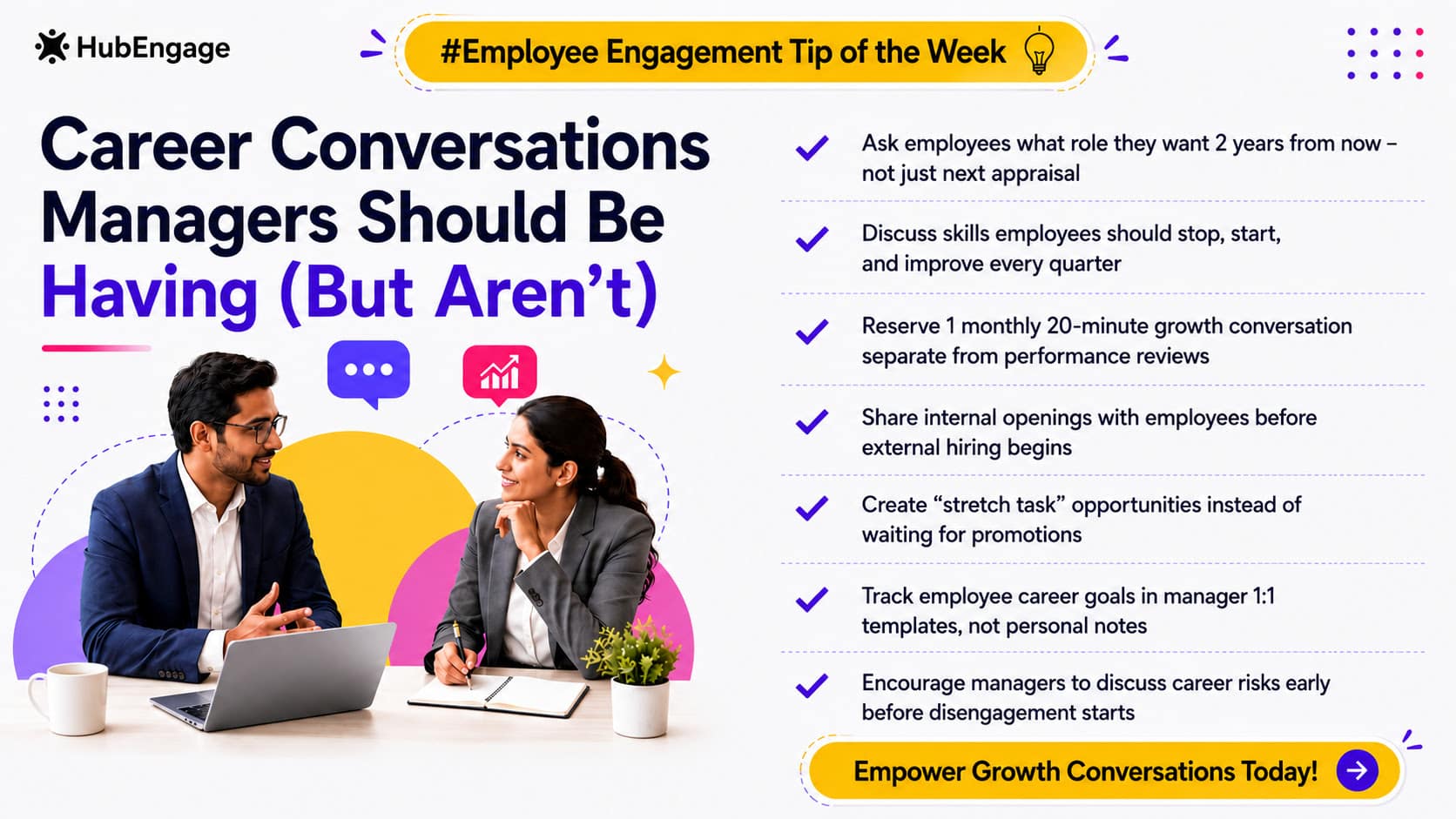
Small improvements often create the biggest results. A better attendance system. A stronger training experience. A thoughtful recognition moment. A smarter workforce platform. A more meaningful career conversation. Each change may feel small individually.
However, together, they shape stronger workplaces. As we continue watching workplace productivity trends evolve, one thing feels increasingly clear: organizations that invest in people, clarity, and smarter systems will likely stay ahead. Because productivity is no longer only about doing more.
It is about helping teams work better. And when people feel supported, informed, appreciated, and aligned, performance often improves naturally. That is something worth paying attention to.

Ready To Build A More Productive Workplace?
Track Time, Improve Productivity, Stay Aligned.
Smarter workplaces begin with smarter systems. From better workforce visibility to stronger employee engagement, the right tools can make everyday work feel simpler, faster, and more connected.
Explore how we help organizations create better workplace experiences through smarter communication, recognition, workforce management, and employee engagement solutions.