Welcome to TOE with HubEngage, your Week 20, 2026 edition of inspiration to Turn On Engagement for Employees. If workplace communication still feels like an afterthought, this edition might just shift the way we think about everyday employee experiences. Because while big transformations sound exciting, more often than not, meaningful change begins with the smaller systems we interact with every single day.
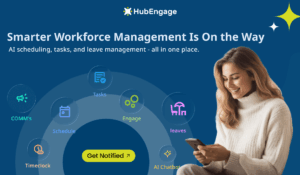
And this week, one topic stood out clearly which is Smart Workforce Scheduling. Let’s be honest about, how often have we seen teams lose time simply because schedules were confusing, last-minute changes became routine, or managers spent hours trying to fill gaps? It happens more than we realize. Yet, at the same time, many organizations are quietly changing this experience for the better.
Key Takeaways:
- Smart workforce scheduling helps businesses reduce shift confusion, save manager time, and improve employee productivity.
- Employee scheduling software improves shift visibility, reduces staffing gaps, and creates better employee experiences.
- Clear internal communication helps employees stay informed, engaged, and more responsive to workplace updates.
- Employee trust grows when organizations use transparent and responsible workplace data practices.
- AI is becoming an everyday workplace tool that helps teams automate repetitive tasks and improve decision-making.
- Strong employee engagement comes from better communication, meaningful workplace connections, and clearer work goals.
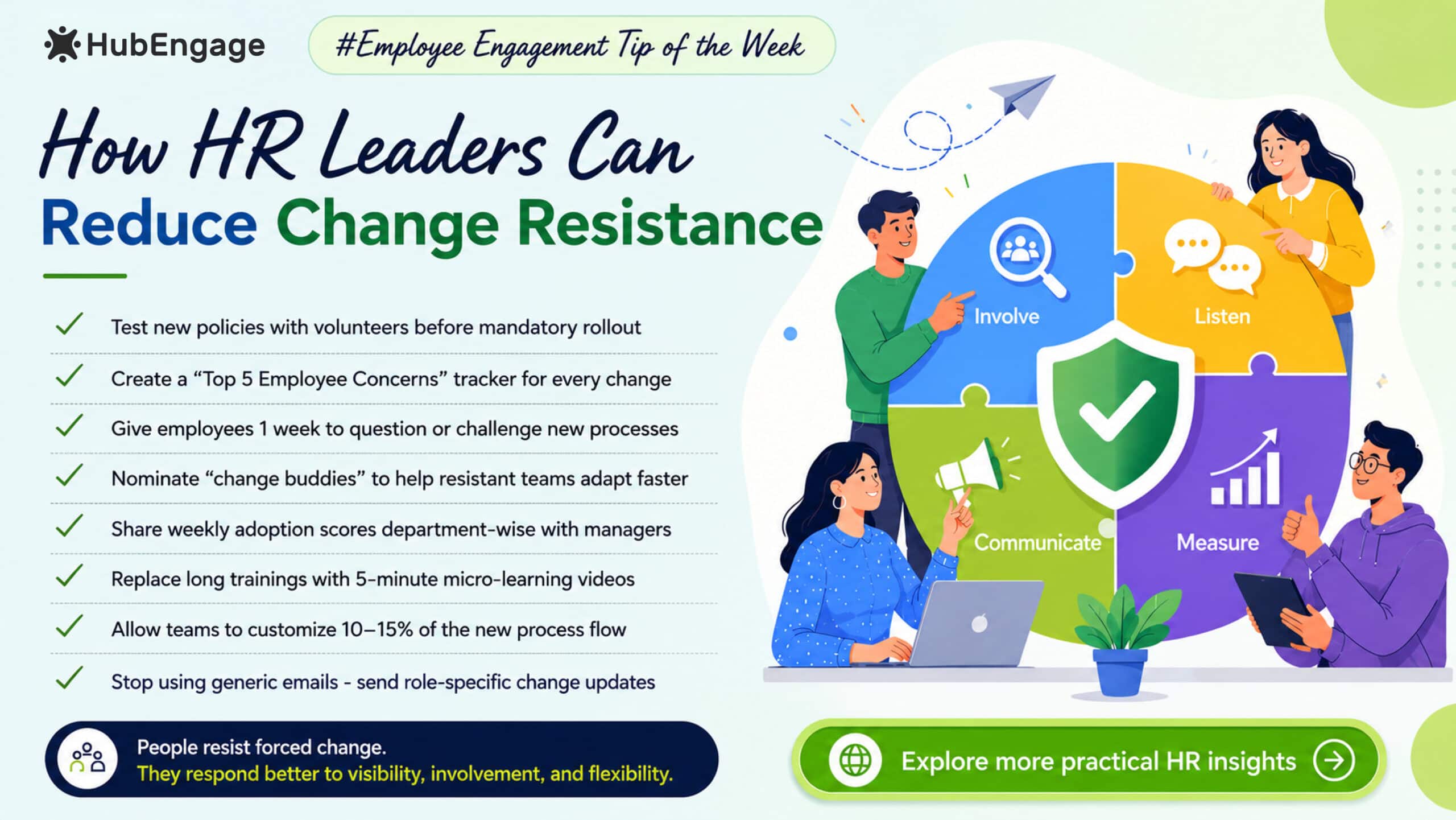
How Smart Workforce Scheduling saves you hours every week?
When we think about employee experience, scheduling may not always be the first thing that comes to mind. However, it quietly influences everything from productivity and morale to employee trust and daily operations.
This week’s insights around Smart Workforce Scheduling reminded us of something important: saving time is not only about working faster. Instead, it is about working smarter.
Retail and frontline teams, especially, deal with shifting demands every day. Consequently, manual scheduling often turns into a time-consuming process full of back-and-forth messages, missed shifts, staffing gaps, and unnecessary stress. Managers spend valuable hours adjusting rosters, while employees feel frustrated when schedules constantly change.
However, smarter scheduling tools are helping teams move away from reactive planning.
Instead of spending hours fixing conflicts, organizations are increasingly using systems that help managers predict staffing needs, improve shift visibility, and create schedules with more confidence. As a result, teams spend less time managing chaos and more time focusing on meaningful work.
Yet scheduling alone is not the bigger story here.
Because when employees know their shifts are fair, transparent, and predictable, trust naturally grows. And trust, as we often discuss, shapes how people feel about the workplace more than we sometimes acknowledge.
Similarly, communication also plays a huge role. A well-planned shift means little if updates get buried in emails nobody notices. That is why clear internal communication matters just as much. Whether it is schedule updates, company announcements, or quick reminders, employees respond better when information feels relevant, timely, and easy to act on.
Meanwhile, another noticeable shift is happening quietly in the background i.e. AI is becoming part of daily work. Not in a dramatic “future of work” way, but in practical, everyday moments. Teams are increasingly using it to simplify repetitive tasks, improve planning, and support faster decisions. And interestingly, all these changes connect back to one thing: helping people work better without making work feel harder.
That is also where Smart Workforce Scheduling becomes bigger than just shift planning. It becomes part of creating smoother employee experiences, stronger communication habits, and workplaces that feel more organized instead of overwhelming.
At HubEngage, we often believe the best workplace changes happen when systems feel easier for employees, not more complicated. Because when teams spend less time chasing updates and fixing avoidable issues, they naturally have more time for better collaboration, stronger engagement, and meaningful work.
What all are worth your attention this week?
Here is everything worth your attention from the world of work this week. Every story below brings practical ideas that can help improve employee experience, communication, and workplace decisions.
✨ Retail Employee Scheduling Software Tools For Better Shift Planning
For a long time, scheduling was viewed as an operational task. Someone created rosters, teams followed them, and work continued. However, workplaces today are far more dynamic than before. Teams are managing changing priorities, hybrid work expectations, fluctuating workloads, and faster business demands.
As a result, scheduling is no longer just about filling shifts.
It is increasingly becoming a critical part of employee experience.
Manual scheduling often creates challenges that are easy to underestimate. Last-minute changes can create frustration, unclear shift visibility can cause confusion, and coverage gaps often place unnecessary pressure on teams and managers alike. While spreadsheets may still work in certain situations, they frequently become difficult to manage as operations grow more complex.
That is where employee scheduling software is beginning to make a meaningful difference. The real value of employee scheduling software is not simply automation. It is clarity.
When schedules are easier to create, teams receive better visibility into their workdays. Managers spend less time solving avoidable scheduling conflicts. More importantly, employees gain predictability, which often improves confidence and reduces unnecessary stress.
We have noticed that when teams feel informed and prepared, everyday work starts becoming smoother almost naturally.
Additionally, smarter scheduling allows organizations to become more proactive rather than reactive. Instead of constantly fixing staffing issues, teams can focus on productivity, collaboration, and better employee experiences.
Worth exploring if smoother shift planning is something your teams are actively working
toward →
🔐 Building Employee Trust Through Smarter Data Practices
At the same time, another important workplace conversation continues to grow which is trust. Many organizations invest heavily in culture-building initiatives, leadership programs, and employee experience efforts. Yet, trust often develops through much smaller moments than we realize.
Employees notice how decisions are communicated. They notice transparency, consistency and how organizations handle employee information. As workplaces rely more heavily on digital systems, employee trust around data practices is becoming more important than ever. Whether it is attendance tracking, communication tools, engagement systems, feedback platforms, or workplace analytics, employees want to understand how their information is being used and protected.
Interestingly, trust is rarely built through policies alone. Instead, it grows when communication feels transparent and intentions feel clear. For example, when organizations openly explain why workplace data is collected and how it benefits employees, hesitation often reduces. Similarly, when employees feel respected rather than monitored, workplace systems tend to feel more supportive instead of invasive.
What we think matters most is that trust directly impacts engagement. When employees trust leadership decisions, workplace communication becomes easier. Collaboration improves. Resistance reduces. However, when trust feels unclear, even strong initiatives struggle to gain momentum.
Therefore, organizations that prioritize transparency today are likely building stronger workplace confidence for tomorrow.
A thoughtful read on why trust is increasingly becoming an HR priority →
🤝 Stronger Teams Start With Better Daily Connections
One workplace truth continues to stand strong: people stay connected to people.
While workplace strategies, policies, and systems matter, everyday human interaction still shapes how employees feel at work.
Interestingly, employee connection is often built through very small moments.
- Quick check-ins.
- Meaningful conversations.
- Recognition.
- Support during difficult periods.
- Simple moments of appreciation.
Although these interactions may seem small, they often influence engagement more than organizations realize. Teams that feel connected tend to collaborate better, communicate more openly, and solve challenges faster. Meanwhile, disconnected teams often struggle with misunderstandings, lower morale, and reduced motivation.
What we continue to see is that stronger workplace relationships rarely happen by accident. They happen intentionally ans sometimes it is simply about helping managers communicate better. Other times, it means creating more opportunities for employees to feel heard, appreciated, and included. Honestly, small daily interactions often matter much more than big annual initiatives.
Read this if building stronger team connection is high on your workplace agenda →
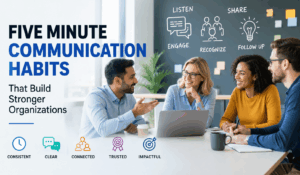
📩 Internal Communication Email Templates & Examples For Every Situation
In a workplace filled with constant updates and overflowing inboxes, getting employees to actually read internal emails can feel challenging. However, the right message structure can make all the difference. Thoughtfully written communication not only grabs attention faster but also helps important updates feel more relevant and easier to act on. From announcements and reminders to policy updates and recognition messages, using smarter email approaches can improve clarity, reduce communication fatigue, and help teams stay better informed.
What we think: Sometimes, a few simple communication tweaks can turn ignored emails into messages employees genuinely pay attention to.
A useful guide if internal communication feels harder than it should →
💬 When Engagement Slips What Leaders Should Notice
One of the most important workplace lessons today is that disengagement rarely happens overnight.
Instead, it usually appears gradually.
- Missed participation.
- Lower enthusiasm.
- Less collaboration.
- Reduced communication.
- Increased frustration.
However, because these signals appear slowly, they are often ignored until bigger problems begin to surface. That is why organizations must start paying closer attention to early engagement patterns. We believe leaders do not always need immediate solutions. Sometimes, they simply need better observation.
Are teams communicating less?
Managers noticing energy changes?
Employees feeling heard?
Workloads creating burnout?
These questions matter because workplace engagement is often influenced by many small experiences rather than one major event.
More importantly, the earlier teams identify challenges, the easier it becomes to respond with clarity and support.
One of those reads that helps you notice what teams may not always say out loud →
🤖 AI Is Becoming Everyone’s Everyday Work Tool
Perhaps one of the most interesting workplace shifts happening right now is how quickly AI is becoming part of everyday work.
Not long ago, AI felt experimental. Many organizations viewed it as something technical, futuristic, or limited to specific departments.
However, that conversation is changing quickly.
Today, teams across functions are finding practical ways to use AI in everyday workflows. From communication support and content creation to data analysis and operational efficiency, AI is becoming less about experimentation and more about practical value.
What feels interesting is that AI adoption no longer belongs to one team alone.
It is becoming cross-functional.
People are exploring ways to save time, simplify repetitive work, and improve decision-making without overcomplicating processes.
At the same time, organizations are also learning something important: technology works best when people feel comfortable using it.
That means training, communication, and clarity still matter.
Because while AI can improve efficiency, people still drive workplace success.
Worth reading if you are thinking about how AI fits into everyday work →
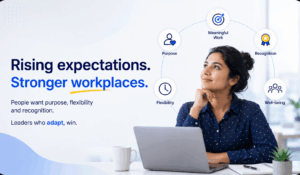
📈 Job Goals Matter More Than Titles Today
Another workplace shift worth paying attention to is how work itself is being defined.
Traditionally, organizations relied heavily on fixed job titles to define responsibilities. However, modern work environments are becoming more outcome-focused.
In many cases, success is now measured less by title and more by contribution.
Clear goals are helping employees understand priorities more effectively. Teams are becoming more agile. Roles are evolving faster. And increasingly, employees are expected to adapt based on changing business needs.
That shift can actually create stronger alignment.
When people understand goals clearly, expectations become easier to manage. Performance conversations become more meaningful. Teams focus more on impact rather than labels.
And honestly, flexibility often creates better collaboration than rigid structures.
An insightful perspective on how work expectations are evolving →
Final Thoughts: Better Workplaces Often Start With Smaller Smarter Decisions
When we look at all these conversations together, one thing becomes clear. The future of work is not only about major transformation, it is also about smaller, smarter workplace decisions.
Better scheduling, Stronger trust, Clear communication, More meaningful connection, Early engagement awareness, Practical AI adoption and Clearer goals do not require dramatic change. Instead, they begin through better everyday experiences.
That is exactly why conversations around employee scheduling software feel larger than scheduling itself. Smarter planning creates clearer expectations, stronger communication, and greater confidence across teams. And trust ultimately shapes engagement.
As workplaces continue evolving, organizations that focus on practical improvements rather than complexity will likely move faster and stronger.
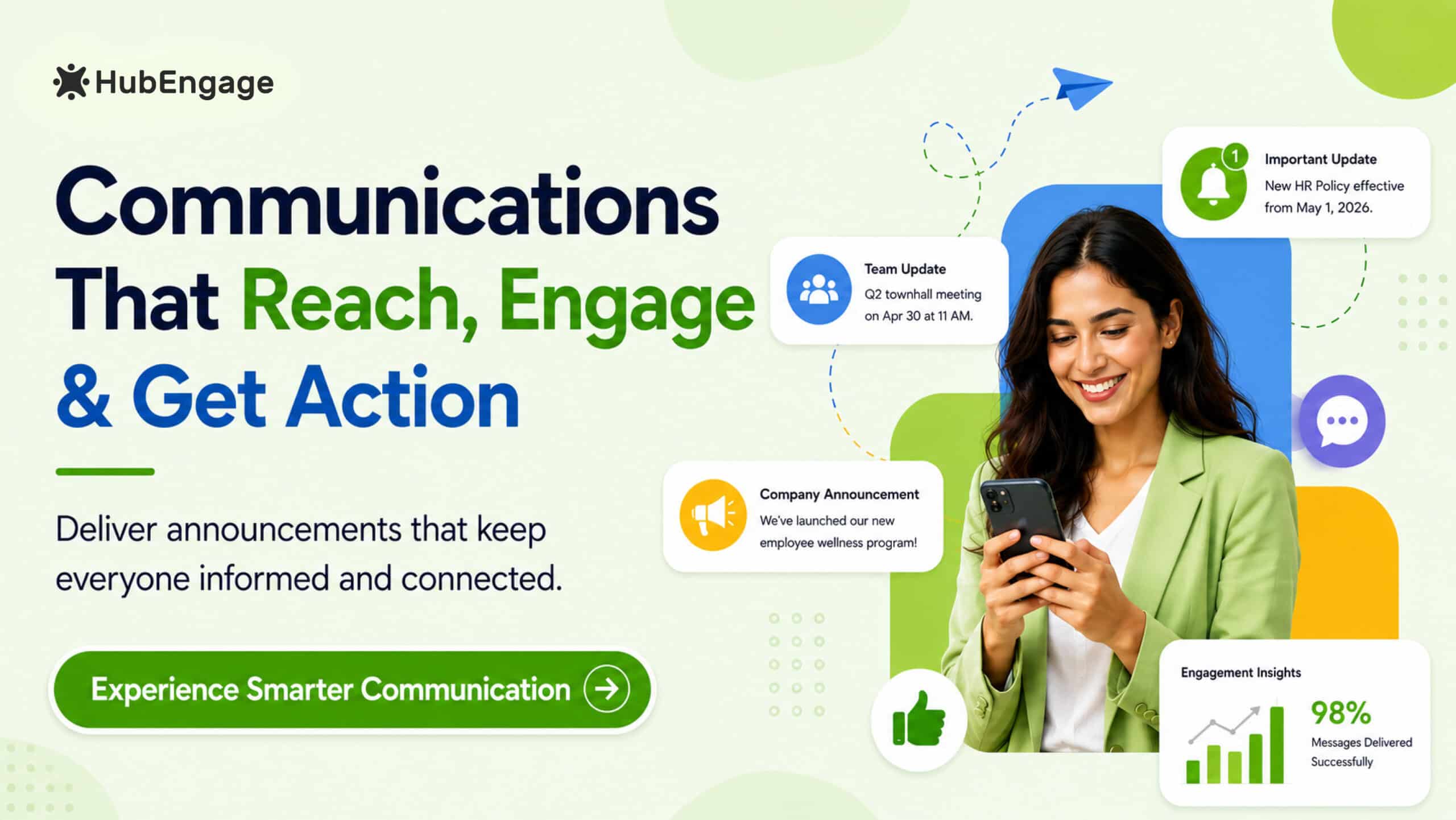
At HubEngage, we continue to believe that communication that reaches people, engages them, and inspires action makes all the difference. Because when workplaces feel clearer, more connected, and better informed, people simply work better together. And honestly, sometimes the smartest workplace shifts begin with one good idea.