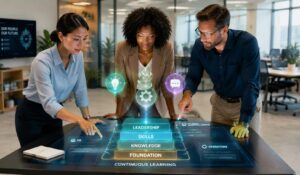
Why Traditional Workplace Learning Is No Longer Enough
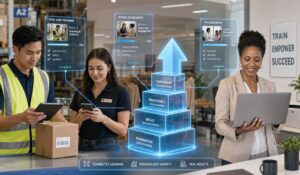
Workplace learning has evolved far beyond one-time onboarding sessions and annual training programs. As hybrid work, rapid technological change, and AI continue to reshape the workplace, employees need continuous access to relevant learning opportunities.
For many small and medium-sized businesses (SMBs), however, training is still spread across emails, PDFs, spreadsheets, and outdated portals. This makes it difficult for employees to find information, managers to monitor progress, and HR teams to manage learning efficiently.
The real challenge isn’t creating training content, it’s delivering learning that’s accessible, engaging, and relevant.
That’s why AI-powered Learning Management Systems (LMSs) are becoming an essential part of modern workplaces. Instead of simply hosting courses, they personalize learning, automate repetitive tasks, recommend relevant content, and provide valuable insights into employee development.
For SMBs, this means less time spent managing training and more time helping employees build the skills they need to succeed.
Key Takeaways
- An AI-powered Learning Management System (LMS) personalizes employee training by using AI to recommend relevant learning, automate workflows, and improve skill development.
- SMBs benefit from AI-powered LMS platforms by simplifying onboarding, reducing HR administration, improving compliance, and scaling employee learning as the business grows.
- Mobile learning, microlearning, and personalized learning paths help employees complete training more easily, especially frontline, remote, and hybrid teams.
- AI-driven automation saves time by handling course assignments, reminders, certifications, reporting, and learning recommendations without manual effort.
- Real-time analytics help organizations measure learning effectiveness by tracking engagement, course completion, skill gaps, and employee progress to improve future training.
- The most effective AI-powered LMS solutions combine learning with communication, knowledge sharing, recognition, and collaboration to create a continuous, connected employee experience.
What Is an AI-Powered Learning Management System?
An AI-powered Learning Management System (LMS) is a digital platform that uses artificial intelligence to deliver smarter, more personalized employee learning.
Unlike traditional LMS platforms that assign the same courses to everyone, AI analyzes employee roles, skills, learning history, and career goals to recommend relevant training. It can also automate routine tasks such as course assignments, reminders, certification tracking, and reporting.
Rather than expecting employees to search through large learning libraries, AI delivers the right content at the right time. The result is a learning experience that’s more engaging, easier to manage, and better aligned with individual and business goals.
Why SMBs Need an AI-Powered LMS?
As businesses grow, managing employee learning becomes increasingly complex. New hires require consistent onboarding, teams need regular upskilling, and compliance training must stay on schedule.
An AI-powered LMS simplifies this process by centralizing learning, automating administrative tasks, and delivering personalized training experiences. Employees can access learning from any device, while managers gain real-time visibility into progress. The result is a more engaged workforce, reduced HR workload, and a scalable learning strategy that supports long-term business growth.
Key Features of an AI-Powered Learning Management System

A modern LMS should do more than deliver courses, it should create personalized, engaging learning experiences while giving organizations the insights needed to continuously improve employee development.
- AI-Powered Personalized Learning
When it comes to learning, every employee is unique. They all have different needs and goals. That’s where AI comes in – it helps personalize training for each employee. This is done by looking at their role, what skills they already have, any certifications they’ve earned, what they’ve learned in the past, and where they want to go in their career. Instead of giving everyone the same old courses, AI suggests learning opportunities that are actually relevant to each employee. This keeps them interested and helps them build the skills that are most important for their job. It’s a much more effective way to learn and grow.
- Intelligent Learning Recommendations
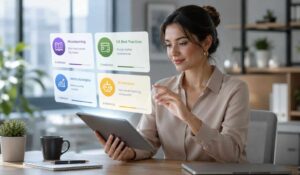
AI helps employees learn and grow by suggesting courses, articles, and videos that are just right for them. It looks at what they’ve been doing and how they’re progressing, and then recommends things that will help them keep getting better. This way, employees don’t have to waste time searching through lots of content to find what they need. Instead, the AI brings the best stuff right to them, making learning easier and more relevant to their jobs.
- Mobile Learning for Today’s Workforce
No matter where employees are – whether they’re working from home, traveling for business, or out on the front lines – they should always have access to learning opportunities. With a mobile-friendly learning management system, they can take courses, watch training videos, look at company resources, and finish evaluations at any time and from any location that works for them. This way, they can learn and grow in their roles, no matter what their schedule or work environment is like.
- Automated Learning Paths
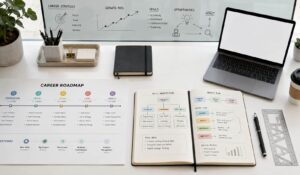
As a company gets bigger, it becomes tough to keep track of each employee’s learning journey. But with AI, you can automate the whole process, creating personalized learning paths based on things like job role, department, location, certifications, or where they are in their career. This way, employees get the training they need, and HR and managers have less administrative work to worry about. It’s a win-win, making it easier for everyone to focus on what really matters.
- Interactive Content and Microlearning
When training is engaging and easy to understand, employees are more likely to finish it. New learning systems support lots of different formats like short videos, quizzes, and simulations that fit into busy schedules and help people remember what they learn. These formats, like microlearning, make it easy for employees to learn in small chunks, which helps them stay focused and retain information better. By using these formats, employees can learn at their own pace and review material as needed, making the training process more effective and efficient.
- Real-Time Analytics and Learning Insights
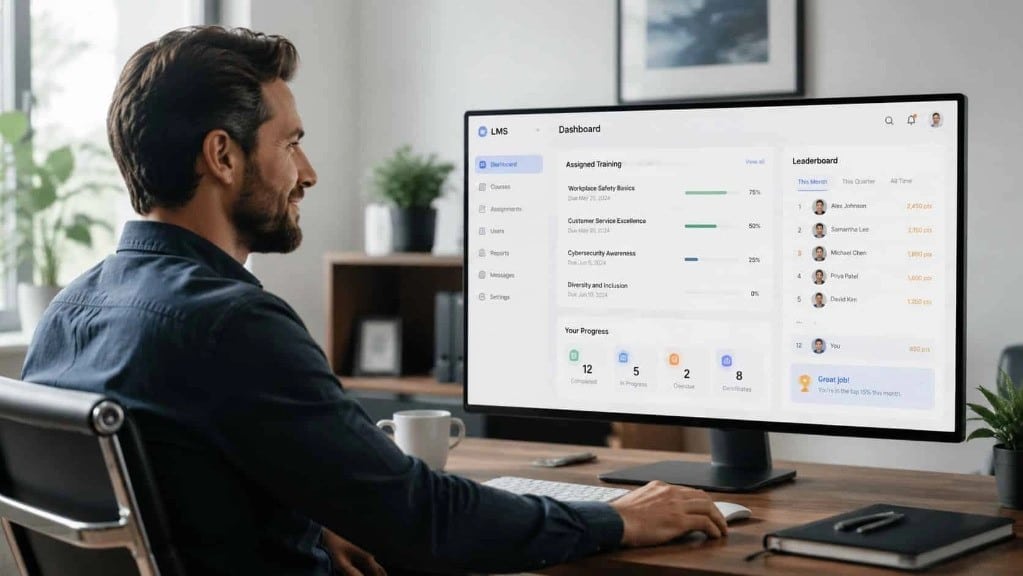
Training should be measurable. AI-powered dashboards provide real-time insights into course completion, learner engagement, assessment scores, certifications, and skill development. These insights help managers identify knowledge gaps and continuously improve learning programs.
- Seamless Integrations Across the Digital Workplace
Learning becomes more effective when it’s connected to the tools employees already use. Integrating an LMS with HR systems, communication platforms, and collaboration tools simplifies user management, streamlines training, and creates a more connected employee experience.
- Social and Collaborative Learning
Some of the most valuable learning happens between colleagues. Discussion forums, knowledge-sharing communities, peer recommendations, and collaborative learning spaces encourage employees to exchange ideas, ask questions, and learn from one another, strengthening both learning and workplace collaboration.
Benefits of an AI-Powered Learning Management System
Getting a new AI-powered learning system is not just about replacing your old training tools. It’s about building a space where employees can keep learning, managers can see what’s going on, and the HR team can focus on more important things instead of doing the same tasks over and over. This way, everyone can work better and smarter.
Here are some of the biggest benefits SMBs can expect.
Faster and More Effective Employee Onboarding
First impressions matter. A well-structured onboarding experience helps new hires understand company policies, role expectations, and workplace culture from day one.
An AI-powered learning management system goes even further by providing customized onboarding experiences tailored to each employee’s specific role, department, or location. This means that instead of having to work through generic training modules, employees get to engage with content that is directly related to their actual job responsibilities, making the whole process more relevant and useful.
This helps new hires become productive sooner while giving managers confidence that everyone receives a consistent onboarding experience.
Higher Employee Engagement
Employees are more likely to complete training when it’s relevant, easy to access, and fits naturally into their workday.
AI makes learning more engaging by suggesting courses that fit each person’s interests, what they’ve already learned, and their career aspirations. When you add interactive content, like quizzes and videos, and make it easy to access on mobile devices, learning becomes something employees actually want to do, not just another thing they have to do. This way, employees are more likely to participate and get the most out of their learning experience.
When employees see opportunities to grow, they tend to feel more connected to their work and more invested in the organization’s success.
Improved Knowledge Retention
The way we usually train people at work is to have them attend a class or finish a course and then they’re done. But the problem is, people tend to forget a lot of what they learned after a while.
Learning management systems that use artificial intelligence help people keep learning by giving them short refresher courses and reminding them of important ideas at the right time. This way, employees can go back to the learning materials whenever they want, making it easier for them to remember what they learned. It’s like having a personal guide that helps them learn and grow all the time.
Better Visibility Into Learning Performance
It’s not always easy to tell if training is really working without having the right information. You need to have some way to measure whether the training is making a difference.
Modern LMS platforms provide real-time insights into learner engagement, course completion, assessment scores, and skill development. AI can even identify trends, such as courses where employees consistently struggle or departments that may need additional support.
These insights allow organizations to improve training programs based on evidence rather than assumptions.
Simplified Compliance Training
Keeping track of mandatory certifications and compliance requirements can quickly become overwhelming, especially for growing businesses.
An AI-powered LMS automates much of the process by assigning required courses, sending reminders before deadlines, tracking completions, and generating reports when needed.
This doesn’t just cut down on paperwork, it also helps companies get ready for audits and makes sure they’re following all the rules.
Greater Scalability
As your business grows, your learning platform should grow with it.
Whether you’re onboarding ten employees or hundreds, AI helps automate learning administration without significantly increasing the workload for HR or managers.
This makes it easier to scale employee development while maintaining a consistent learning experience across the organization.
Best Practices for Maximizing Your AI-Powered LMS
Technology alone doesn’t guarantee successful learning. The most effective organizations combine the right platform with thoughtful learning strategies.
Put Employee Experience First
A learning platform should be easy to navigate and enjoyable to use.
When employees have a hard time finding the courses they need or getting the information they want, they’re going to lose interest pretty quickly. That’s why it’s so important to pick a platform that’s easy to use, with a simple and clean design, and navigation that makes sense. It should be just as easy to use on a phone or tablet as it is on a computer, so employees can get what they need whenever and wherever they want.
Learning should feel like a natural part of work, not another system employees have to figure out.
Keep Learning Short and Practical
Employees have a lot on their plates and often find it tough to balance their daily tasks with lengthy training sessions.
Breaking content into short, focused lessons makes it easier to complete learning without disrupting productivity. Microlearning also helps employees retain information by delivering it in manageable pieces.
Encourage Continuous Learning
Employee development shouldn’t stop after onboarding.
Create learning opportunities throughout the employee lifecycle, from leadership development and product training to soft skills and compliance updates.
When learning becomes an ongoing habit, organizations are better prepared to adapt to changing business needs.
Combine Learning With Communication
Training is more effective when employees know why it matters.
Sharing learning updates, course announcements, leadership messages, and recognition within the same digital experience helps employees stay informed and encourages participation.
Connecting communication and learning creates a more engaging employee experience.
Review Learning Data Regularly
Analytics provide valuable insights, but only if they’re used.
Review completion rates, employee feedback, assessment results, and learning trends regularly. Updating content based on these insights keeps your learning programs relevant and effective.
How to Choose the Right AI-Powered LMS

The right LMS should simplify learning for everyone involved from employees and managers to HR teams and business leaders.
Future Trends in AI-Powered Learning
Artificial intelligence is continuing to reshape workplace learning, and the next generation of LMS platforms will become even more intelligent.
Some of the trends already influencing the future include:
Skills-Based Learning
Organizations are shifting from role-based training to skills-based development, helping employees build capabilities that support both current responsibilities and future career opportunities.
Adaptive Learning Experiences
AI will increasingly adjust learning paths in real time based on employee performance, progress, and knowledge gaps, creating more personalized experiences.
Learning in the Flow of Work
Rather than asking employees to leave their daily tasks to complete training, learning will become embedded within the tools they already use, making development more convenient and continuous.
Predictive Learning Analytics
AI will move beyond reporting past performance to predicting future learning needs, allowing organizations to address skill gaps before they impact business performance.
Connected Employee Experiences
Learning will become more closely connected with internal communication, knowledge sharing, employee recognition, and collaboration. Instead of managing separate systems, organizations will deliver a unified digital workplace experience that supports employees throughout their entire journey.
Final Thoughts
An AI-powered Learning Management System goes beyond delivering courses by creating personalized, continuous learning experiences that help employees build skills, stay engaged, and perform with confidence. For SMBs, it reduces administrative effort, improves learning outcomes, and supports long-term business growth through smarter workforce development. As learning becomes more connected to everyday work, the right platform becomes a strategic advantage. Explore the HubEngage Employee Experience Platform and schedule a personalized demo to see it in action.
FAQs on AI-powered Learning Management System Features
1. What is an AI-powered Learning Management System?
An AI-powered Learning Management System uses artificial intelligence to personalize learning, automate administrative tasks, recommend relevant training, and provide insights that help organizations improve employee development.
2. How is an AI-powered LMS different from a traditional LMS?
Traditional LMS platforms primarily deliver and track courses. AI-powered LMS platforms go further by personalizing learning paths, recommending content, automating workflows, and using analytics to improve learning outcomes.
3. What are the most important features of an AI-powered LMS?
Some of the most valuable features include personalized learning recommendations, mobile access, automated learning paths, analytics and reporting, compliance management, social learning, integrations with HR systems, and AI-driven insights.
4. Why is mobile learning important?
Many employees work remotely, travel frequently, or spend much of their day away from a desk. Mobile learning allows them to access training whenever and wherever it’s needed, making learning more flexible and accessible.
5. Can an AI-powered LMS improve employee engagement?
Yes. Personalized learning, interactive content, and continuous skill development help employees stay engaged by making training more relevant to their roles and career goals.
6. What should SMBs consider when choosing an AI-powered LMS?
Look for a platform that’s easy to use, supports mobile learning, integrates with existing business tools, offers meaningful analytics, automates routine tasks, and can scale as your business grows.
7. How does an AI-powered LMS contribute to employee experience?
Learning is an important part of the overall employee experience. When employees can easily access relevant training, build new skills, and stay informed through a connected digital workplace, they feel more supported, engaged, and prepared to succeed in their roles.
Related Links
employee experience platforms | employee training resources | employee training resources