Career development programs can positively impact employee retention and internal mobility, but many employees still do not see a clear path forward.
In practice, the problem is not a lack of effort but the quality of the plan. A weak sample career development plan becomes another piece of paperwork. Having a strong plan gives managers and employees a shared framework for setting priorities, defining timelines, and following through.
The need is clear. HR teams need more than a generic template that gets filed away after a performance review. They need a framework that works during manager check-ins, talent reviews, succession planning, and internal hiring discussions.
Effective plans also connect everyday employee goal-setting process with long-term career growth. Our guide takes a more practical approach than a one-size-fits-all worksheet. It breaks career planning into seven proven frameworks, each suited to a different development needs.
Key Takeaways
- Best career plans match employee roles, goals, and future growth opportunities clearly.
- Good plans include clear goals, timelines, milestones, and regular progress reviews always.
- Real growth comes from experience, mentoring, feedback, and practical learning activities daily.
- Career planning improves retention and helps employees see future roles and promotions.
- Managers, employees, and HR share responsibility for development and continuous career growth.
Best Sample Career Development Plans for Growing Businesses
Explore the sample career development plans that we believe will help your team in building skills, setting goals, and advancing their careers1. SMART Goals Career Development Plan Template
A SMART career development plan helps employees set Specific, Measurable, Achievable, Relevant, and Time-bound goals. It’s ideal for promotions, certifications, and performance planning. Its biggest strength is measurable progress, while it may not capture soft-skill development without clear behavioural goals.
Example
A customer service executive plans to earn a Six Sigma Green Belt certification by Q3, complete two improvement projects, and mentor three teammates. An HR coordinator aims to lead a full recruitment cycle and complete SHRM certification within a year.
Best Practices
- Break goals into quarterly milestones: Split annual goals into smaller checkpoints.
- Align goals with business priorities.
- Review progress regularly.
2. Skills-Based Career Development Matrix Template
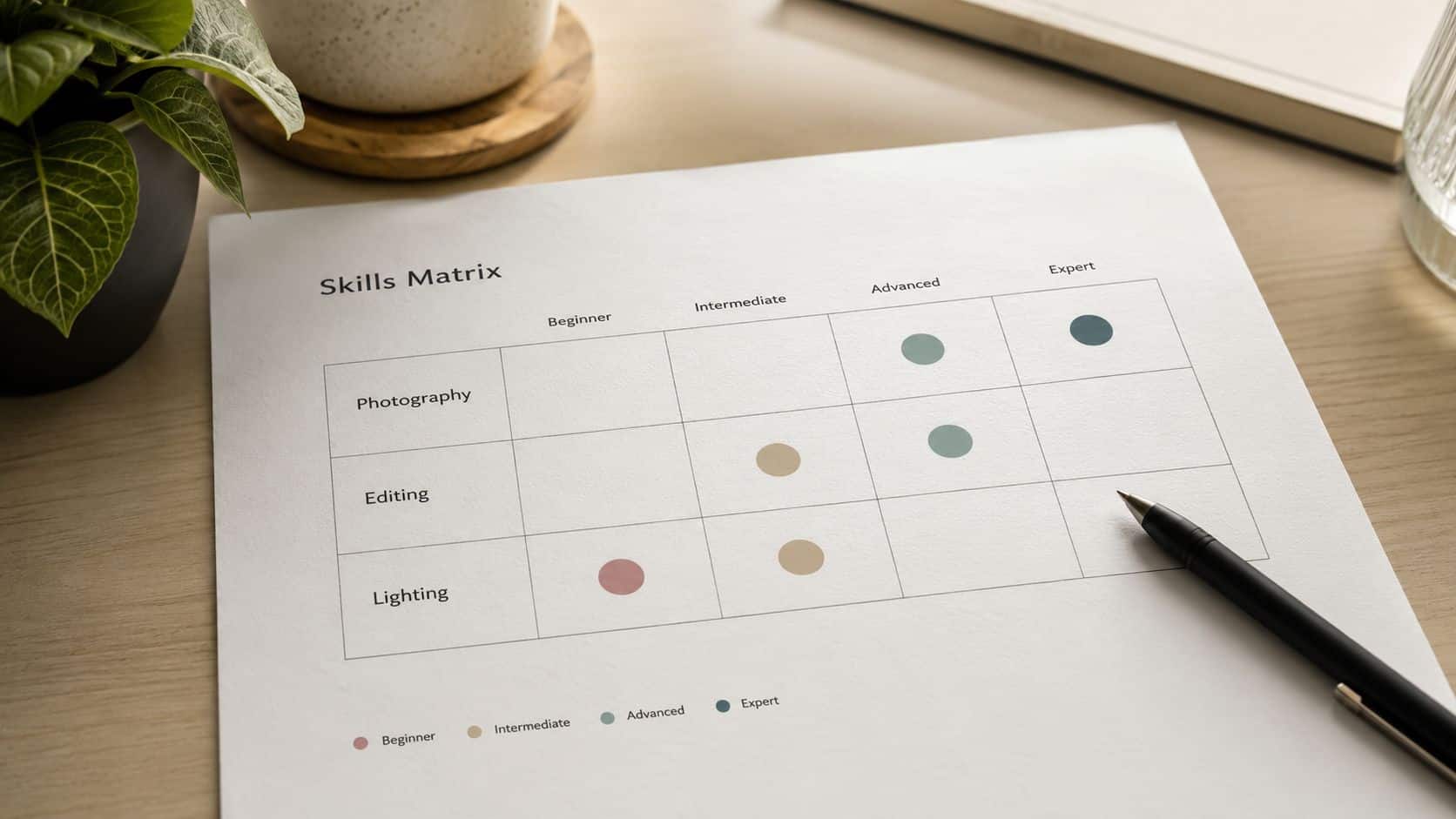
A skills matrix compares an employee’s current abilities with the skills needed for their next role. It’s ideal for technical teams and succession planning. Its biggest advantage is identifying skill gaps, while it can become difficult to maintain if it’s too detailed.
Example
A software developer tracks coding as advanced, cloud infrastructure as intermediate, and mentoring as beginner, with clear target levels for future growth.
Best Practices
- Focus on key role-specific skills.
- Define current and target proficiency.
- Combine self and manager assessments.
3. Mentorship-Centered Career Development Plan Template

This template pairs employees with experienced mentors to build leadership, decision-making, and workplace knowledge. It’s ideal for future leaders and succession planning. Its biggest benefit is personalized learning, while success depends on mentor commitment and consistency.
Example
A finance manager meets monthly with the CFO to strengthen strategic planning skills, while an IT lead works with a senior director to improve leadership and team management.
Best Practices
- Set clear development goals.
- Schedule regular mentoring sessions.
- Tracking: Progress reviews and documented next steps using workplace mentorship workflows.
4. Competency-Based Career Ladder Template
A competency-based career ladder defines the skills and behaviors employees need to progress into higher roles. It’s ideal for organizations focused on transparent promotions and career growth. Its biggest strength is clear progression, while creating and maintaining competency frameworks requires ongoing effort.
Example
A strong career ladder clearly defines growth at every level. For example, software engineers progress from executing tasks to leading technical strategy, while retail employees advance from Store Associate to District Manager with defined skills and responsibilities at each stage. A practical ladder usually includes five to seven core competencies per path, sample role descriptions, and readiness criteria for the next move. That makes it easier to use in talent reviews, internal mobility planning, and broader talent development efforts. It also pairs well with more structured assessments for skills-first roles.Best Practices
- Define competencies for each level.
- Keep criteria visible to employees.
- Update frameworks regularly.
5. 360-Degree Feedback-Informed Career Development Plan Template
This template uses feedback from managers, peers, and direct reports to identify development areas. It’s best suited for managers and emerging leaders. Its biggest advantage is uncovering blind spots, while feedback must be handled carefully to build trust.
Example
A manager learns they communicate well but need to improve delegation. Their development plan includes coaching, regular feedback, and leadership practice.
Best Practices
- Focus on recurring feedback themes: Not every comment. Just repeated patterns.
- Create practical action plans: Coaching, structured reflection, role-play, or meeting redesign.
- Follow up with regular check-ins: Manager discussions plus pulse feedback using a real-time employee feedback platform.
6. Project-Based Stretch Assignment Development Template

Stretch assignments help employees develop new skills by taking on challenging projects beyond their current responsibilities. They’re ideal for high-potential employees preparing for larger roles. Its biggest strength is hands-on learning, while projects require proper guidance to avoid unnecessary pressure.
Example
An operations coordinator leads the launch of a new facility, gaining experience in planning, vendor coordination, and cross-functional leadership.
Best Practices
- Assign a mentor or sponsor.
- Hold regular progress reviews.
- Capture lessons learned.
7. Integrated Learning Pathways Development Plan Template
An integrated learning pathway combines training, mentoring, stretch assignments, and practical experience into one structured development plan. It’s ideal for complex roles that require continuous learning. Its biggest advantage is comprehensive skill development, while designing and maintaining pathways requires more planning.
Example
A product manager completes customer discovery training, works with a senior mentor, manages feature launches, and builds presentation skills before moving into a leadership role.
Best Practices
- Blend formal and practical learning.
- Adjust the track as career goals evolve.
- Tracking through a system that supports employee training program design.