Think about the last time you started a new job. Did you show up feeling like a stranger, or did you already feel like you were part of the team? That difference is what great preboarding creates. The old way was a frantic rush of forms and compliance tasks. Today, it’s about a thoughtful, engaging experience that shapes how an employee sees your company for the long haul.
Preboarding is the experience that happens between a candidate accepting your job offer and their first day. It’s not just about paperwork anymore; it’s your first, best chance to build a connection, reduce uncertainty, and prepare new employees to be productive faster.
Instead of having new hires show up confused, effective preboarding sets the stage for a smooth transition into the broader employee onboarding process. This blog will explain what preboarding is, why it matters, and how it can help you create a better experience for new hires.
Key Takeaways
- Preboarding is the process that happens after a job offer is accepted but before the employee’s first day, helping new hires feel prepared and welcomed.
- A strong preboarding experience reduces first-day anxiety and helps employees become productive faster.
- Companies that invest in preboarding and onboarding can significantly improve employee retention and engagement.
- Preboarding is especially important for remote, hybrid, and frontline workers who may have limited early access to managers and teams.
- Modern preboarding uses AI, automation, and mobile tools to deliver personalized communication and support.
- The goal of preboarding is to ensure employees start their first day feeling confident, connected, and ready to contribute.
Why Preboarding matters now?
A well-preboarded employee understands company culture, has access to key resources, and knows what their first week looks like. This is especially valuable for frontline, hourly, and remote workers who may lack early access to managers or workplaces.
Preboarding delivers schedules, policies, communication channels, and training resources directly to employees, often through mobile platforms. It replaces uncertainty with clarity and builds confidence before day one.

The Evolution from Paperwork to People
Not long ago, preboarding was a quiet administrative gap. After signing an offer, new hires often heard nothing until receiving paperwork weeks later. This created uncertainty about roles, teams, and culture, sometimes leading to anxiety or second thoughts.
Today, that passive approach is outdated. Modern preboarding is an engaging, intentional phase that builds excitement and connection. It introduces employees to the company early, fostering belonging and readiness. As hiring timelines lengthen, organizations now prioritize meaningful engagement from the moment an offer is accepted.
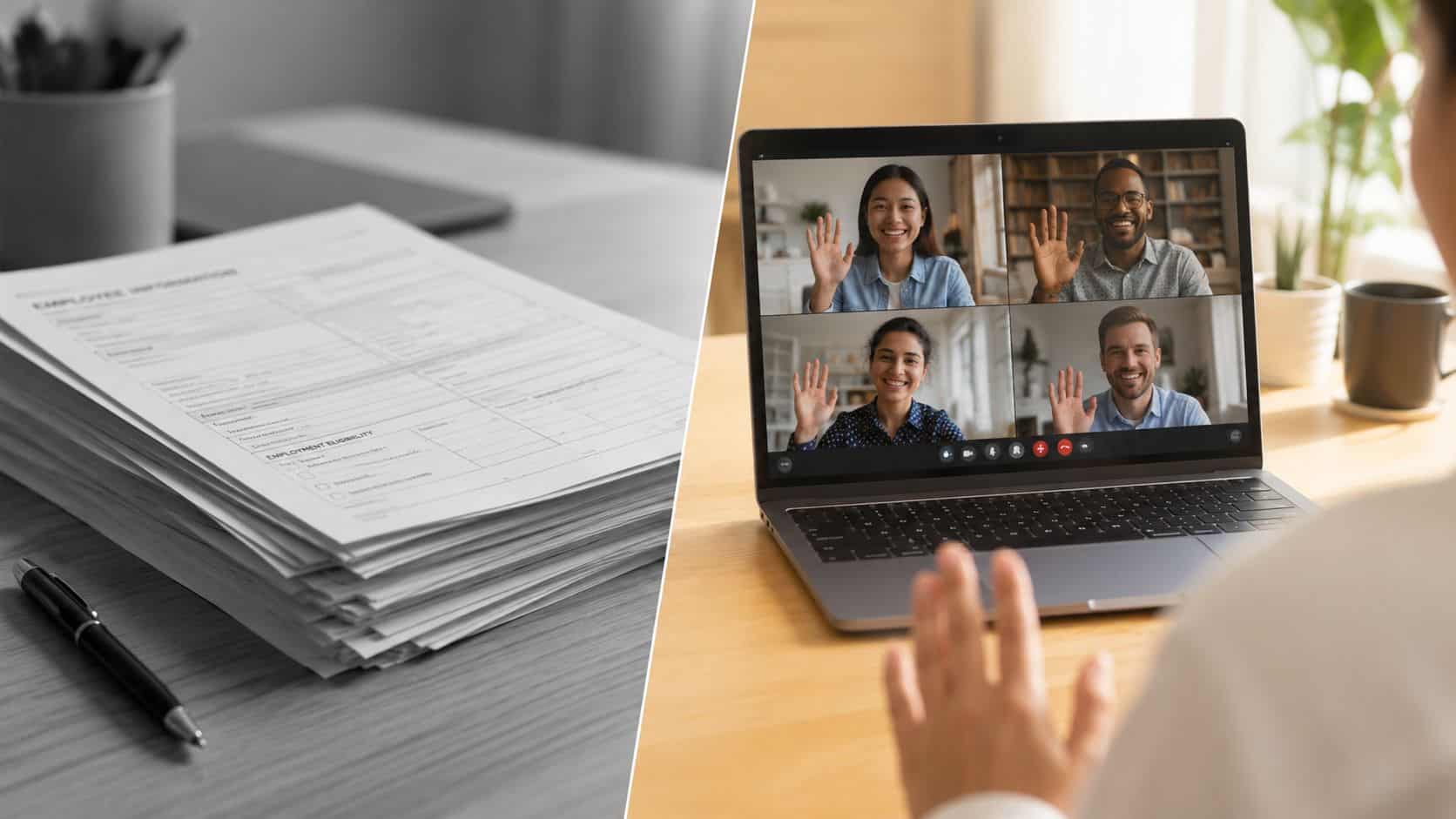
This shift from paperwork to people has a real, measurable impact. Gallup Research found that only 12% of employees strongly agree their organization does a great job of onboarding, highlighting the massive opportunity for companies that get preboarding right.
Focus on Proactive Engagement
The new age preboarding is proactive, anticipating new hire questions and easing anxieties early. By offering timely information and access to people, companies turn uncertainty into confidence and loyalty.
For example, a retail company might share a welcome video from the store manager and a digital handbook covering parking, dress code, and policies.
Handling paperwork digitally shifts focus to human connection, ensuring new hires arrive informed, engaged, and ready to contribute from day one.
If you’re looking to upgrade your own process, a great first step is to streamline the paperwork you can learn more with our guide to essential employee forms and templates.
Designing a Modern Preboarding Program
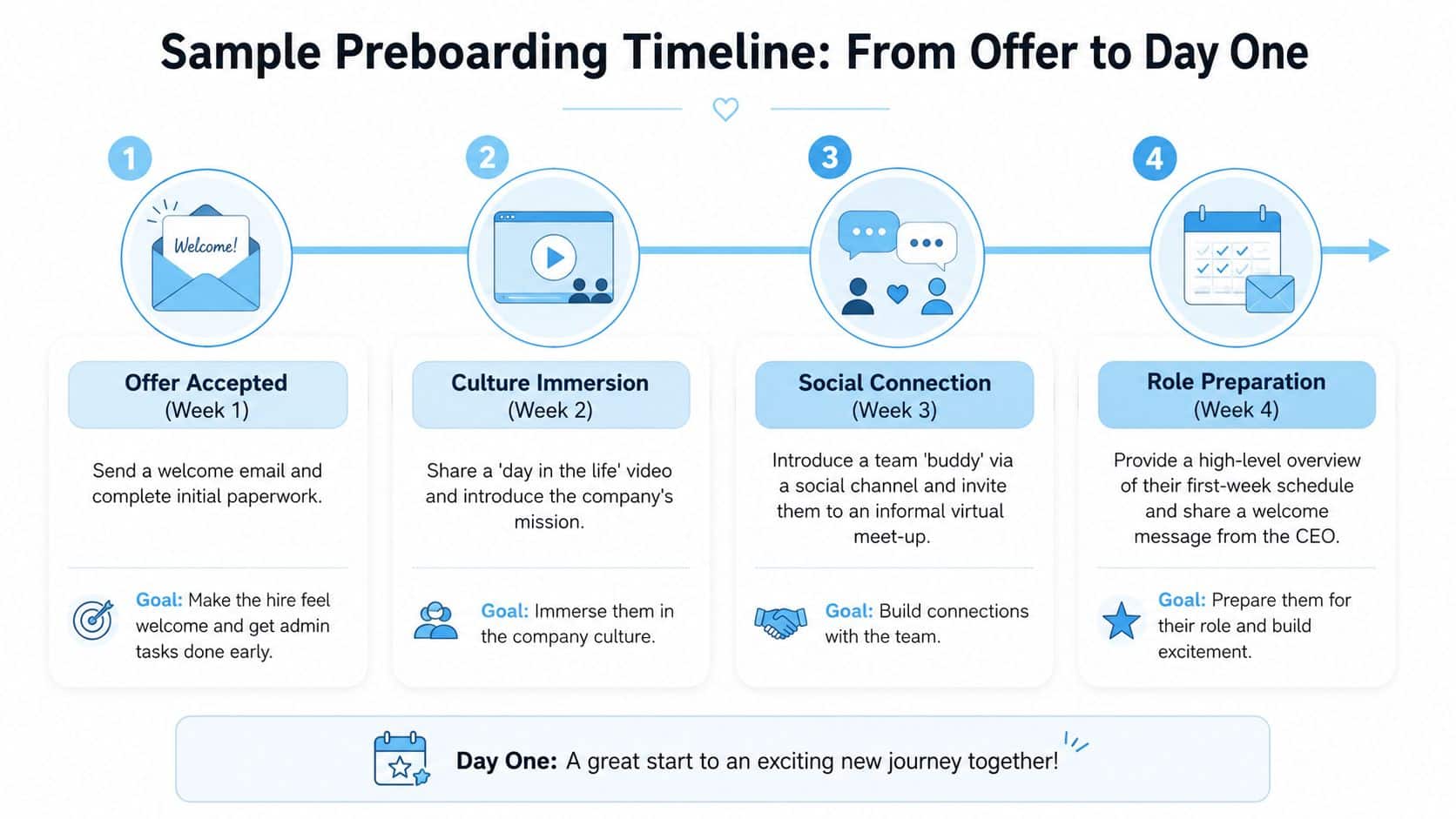
A great preboarding program is more than a few welcome emails. It is a clear and simple journey that helps new hires feel ready before day one. It focuses on culture, role, and connection. Companies can share short videos, introduce team members, and send friendly messages.
A simple timeline helps avoid too much information at once. Preboarding also handles tasks early. Small actions like welcome gifts or casual chats help new hires feel comfortable, confident, and ready to start their new role.
This sample timeline shows how you can layer your communications over several weeks to build momentum without causing burnout.
Connecting Preboarding to Onboarding
When done right, preboarding creates momentum that flows directly into your formal onboarding program. Instead of starting from zero on day one, new hires arrive with a solid understanding of the company, their team, and what’s expected of them. A well-designed preboarding phase is the perfect runway for an effective onboarding process, which is especially important with modern approaches for onboarding new remote hires.
By organizing your strategy around these pillars, you can build a program that does more than just tick boxes it creates a workforce that is ready, connected, and productive from the very beginning. For a deeper dive into what comes next, check out our complete guide on employee onboarding best practices.
How AI and Technology are upgrading Preboarding?
Modern workforce platforms and artificial intelligence (AI) are completely changing the new hire journey before their first day. Here’s how AI-driven platforms are making a real difference:
1. 24/7 Question Answering
AI chatbots instantly answer common employee questions anytime, reducing HR workload.
2. Personalized Learning and Content
AI delivers tailored learning content based on employee roles and responsibilities.
3. Automated Task Management
AI automates preboarding tasks with reminders, ensuring timely completion and readiness.
The rise of Unified Workforce Platforms
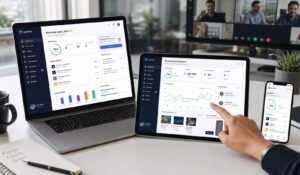
Technology also helps solve another huge preboarding problem i.e. tool fragmentation. Unified workforce platforms fix this by bringing all those touchpoints into a single, cohesive mobile app or web portal. This centralization creates one place where new hires can:
- Complete necessary forms and paperwork.
- Meet their team through a social feed.
- Access company culture content and welcome messages.
- View their first-week schedule.
By bringing everything together, these platforms eliminate confusion and create a seamless, branded experience. New hires feel supported and connected, knowing exactly where to go for information. To learn more about how this technology works, you can read our guide on harnessing the power of AI in human resources.
Build a smart workforce with HubEngage
A great preboarding strategy needs the right technology to succeed. HubEngage brings everything together in one unified platform, creating a seamless experience before day one. It helps organizations prepare employees early and build confidence. This approach turns preboarding into an engaging journey.
Our employee experience platform was designed to build a team that’s ready to go before day one. HubEngage centralizes every part of your preboarding program into a single, mobile-first hub. You can finally move past scattered emails and disconnected portals, giving new hires one intuitive place for everything they need.
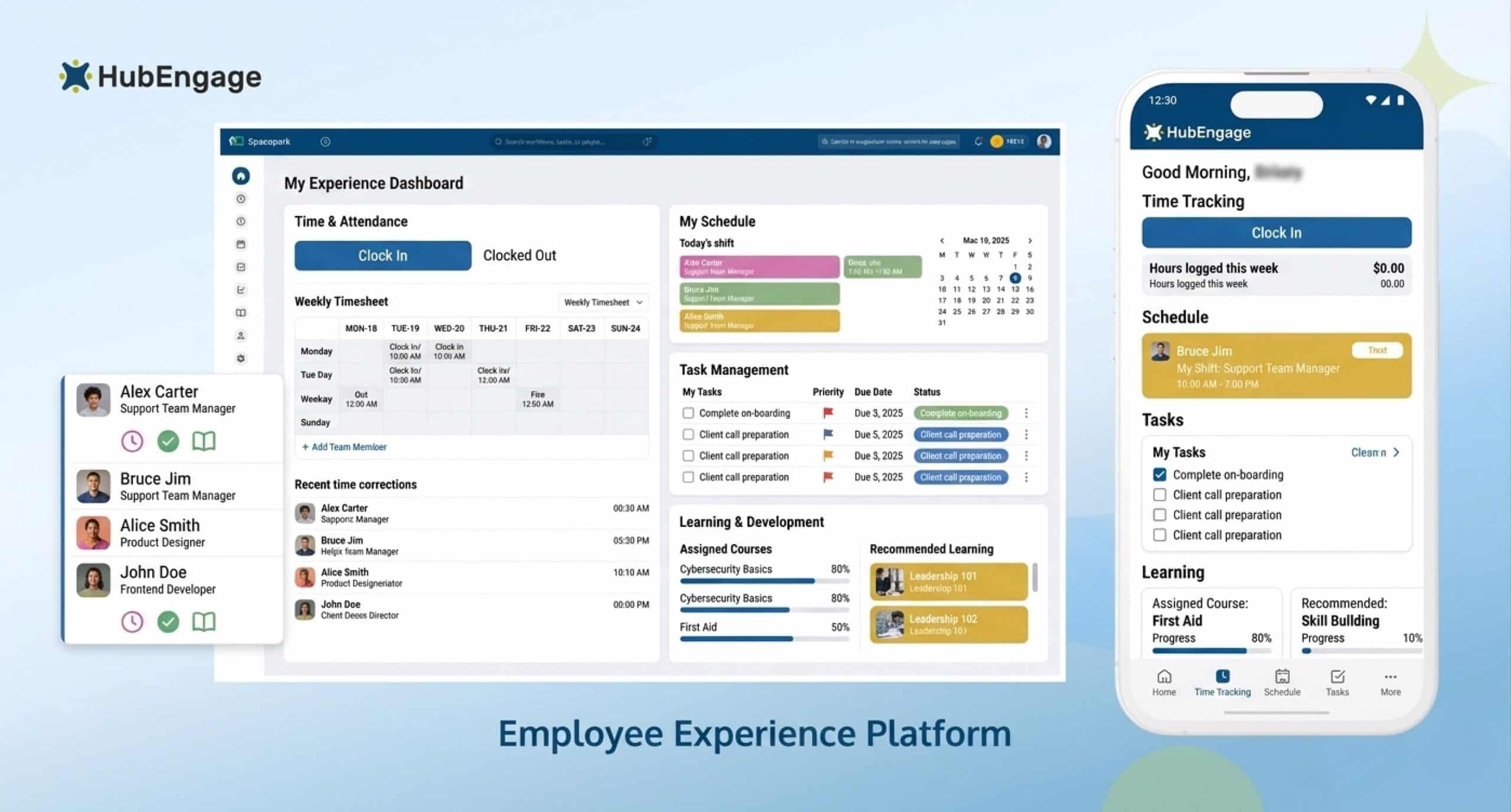
This helps you design a dynamic journey that transforms preboarding from a simple checklist into a powerful engagement tool. Here is how you can use HubEngage to build a world-class program:
- Deliver Targeted Welcome Messages: Create personalized welcome videos and announcements from leadership, helping new hires feel valued immediately.
- Share Cultural Content: Provide engaging social-style content showcasing company culture, team stories, and everyday workplace experiences.
- Assign Pre-Day-One Microlearning: Offer short training modules covering essential tools, policies, and safety guidelines before first day.
Conclusion
Preboarding has evolved into a strategic driver of workforce readiness, bridging the gap between hiring and meaningful contribution.
By engaging employees early, organizations reduce uncertainty, accelerate onboarding, and foster stronger connections from day one.
Treating preboarding as part of a unified employee experience ensures consistency, clarity, and confidence across the journey. As expectations rise, investing in thoughtful preboarding is essential for retention and productivity.
Explore the HubEngage Employee Experience Platform by taking a demo to see how you can elevate your preboarding strategy.
What is Preboarding FAQs
What is the difference between Preboarding and Onboarding?
Preboarding happens before day one and focuses on paperwork, communication, and engagement. Onboarding starts on day one and includes training, role clarity, and integration. Together, they help new hires feel prepared, confident, and productive.
How long should a Preboarding Period last?
A preboarding period usually lasts one to four weeks, depending on the role and industry. The goal is to keep communication steady, share useful information, and prepare new hires without overwhelming them before their first day.
What are the most important metrics for Preboarding success?
Key preboarding metrics include engagement rates, task completion, new hire feedback, early turnover, and time-to-productivity. Tracking these helps companies improve the experience, reduce drop-offs, and ensure employees feel ready and supported before starting work.
Why is Preboarding so important for Frontline and Remote Employees?
Preboarding is vital for frontline and remote employees because it builds connection before day one. It provides access to schedules, contacts, and resources, helping them feel informed, supported, and less isolated in distributed work environments.
How can organizations improve their Preboarding Process?
Organizations can improve their preboarding process by using digital tools to automate paperwork, provide clear communication, and offer personalized resources. Creating a structured plan that includes welcome messages, training materials, and opportunities for early engagement helps new hires feel prepared and confident before their first day.
Related Links
employee experience platforms | digital employee experience platform